Conversations about malls and in-person retail strategy typically halt as soon as someone utters, "But malls are dying." Kevin Tan has heard this pushback for years, and he's largely unbothered.
That's because for nearly four decades, Tan was on the ground building, operating, and repositioning some of Malaysia's most prominent shopping destinations. The playbook he was executing—one that was experience-first, community-oriented, data-informed—is the same one Western operators are only now beginning to adopt. Southeast Asia didn't follow the Western mall model. In many ways, it leapfrogged it.
In this episode of Mall Talkers, host Michael Pasket sits down with Kevin Tan, former COO of Sunway Group, one of Malaysia's largest mall portfolios, to unpack what nearly four decades in the industry actually teaches you about retail strategy, shopper behavior, and what it takes to build a mall people genuinely want to come back to.
Repositioning as a retail strategy
When Kevin Tan joined Sunway Pyramid, the mall's tagline was Your Unique Shopping Destination. Tan quickly recognized it was evoking a strategic limitation:
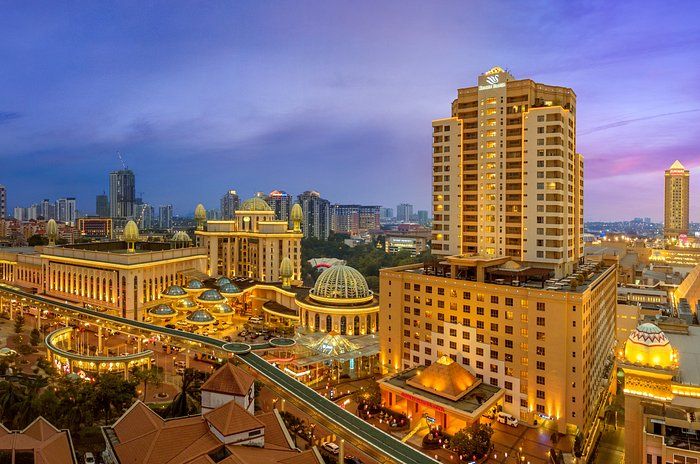
That one-word swap—shopping to lifestyle—was a signal of an entirely different operational commitment. Sunway Pyramid sat at the center of an integrated international resort development that included:
- A water theme park
- Hotels
- Hospitals
- A university
- Offices
- Residential units
The foot traffic it was drawing included families, international tourists, students, and professionals, all with different expectations, visit intents, and definitions of a good visit.
Tan's response was to build for all of them. That meant investing in a world-class ice skating rink, a 48-lane international bowling center, and one of the largest cinema complexes in the country, alongside over 700 shops. It meant elevating customer service from a transactional function to what he calls "customer care," including an out-of-the-box decision to recruit former Malaysia Airlines flight attendants to staff the information counters after the airline's major retrenchment.
The results validated the approach. Sunway Pyramid consistently achieved an NPI margin of 70–75%—a benchmark of exceptional management efficiency in mall operations.
Tenancy stayed technically full with a waiting list. That performance attracted GIC, Singapore's sovereign wealth fund, as a joint venture partner, and eventually saw the asset folded into a REIT structure. A lifestyle repositioning, done right, doesn't just drive foot traffic. It changes the financial profile of the asset entirely.
What shopper behavior looks like in Malaysia
In North America and much of Europe, malls were built on a specific set of assumptions: car-dependent suburban communities, weekly shopping trips, department store anchors driving spillover traffic to smaller specialty tenants. People planned their visit, drove out, bought what they needed, and left. The mall was a retail distribution node. A convenient one, but a node nonetheless.
The Southeast Asian model was built on entirely different logic.
The retail strategy is architectural, operational, and cultural all at once. Malaysian malls are typically located in dense urban centers rather than suburban fringes. They run four or more floors rather than two, with continuous 360-degree circulation loops designed to keep visitors moving through the entire property. Atriums are large, with escalators placed in high-visibility areas to create a sense of energy and activity throughout.
The role of climate in Southeast Asian mall strategy
In a country where the heat and humidity are relentless and monsoon seasons are a daily reality, a fully air-conditioned mall is essential.
The behavioral profile that emerges from all of this is dramatically different from the Western shopper. Malaysian mall visitors tend to come frequently (sometimes daily) for groceries, food, errands, and socializing, not just purposeful shopping trips. There's a strong local culture of dining out and of simply being in the mall without immediate purchase intent.
For operators, understanding this distinction in shopper behavior determines your F&B strategy, your tenant mix, leasing structure, event programming, and ultimately your revenue model.
AI in malls? The evolution of shopper analytics in mall management
For most of Tan's career, the primary tool for measuring shopper behavior was the people counting system—a reliable but blunt instrument that told you how many people came through the door, and roughly when. It was enough to track trends, justify reversion rates at lease renewal, and make the case to investors, but it undoubtedly left a lot of questions unanswered.
The industry has moved considerably since then. Shopper analytics now encompasses loyalty program data, demographic profiling, behavioral tracking, catchment area analysis, competitor benchmarking, and increasingly, AI-assisted interpretation of all of the above.
The ambition is no longer just to count visitors. Now, it's to understand:
- Who they are
- What draws them
- How they move through the space
- Which tenant combinations create synergy
- What's likely to bring them back
Tan is enthusiastic about the potential, but characteristically grounded about the risks.
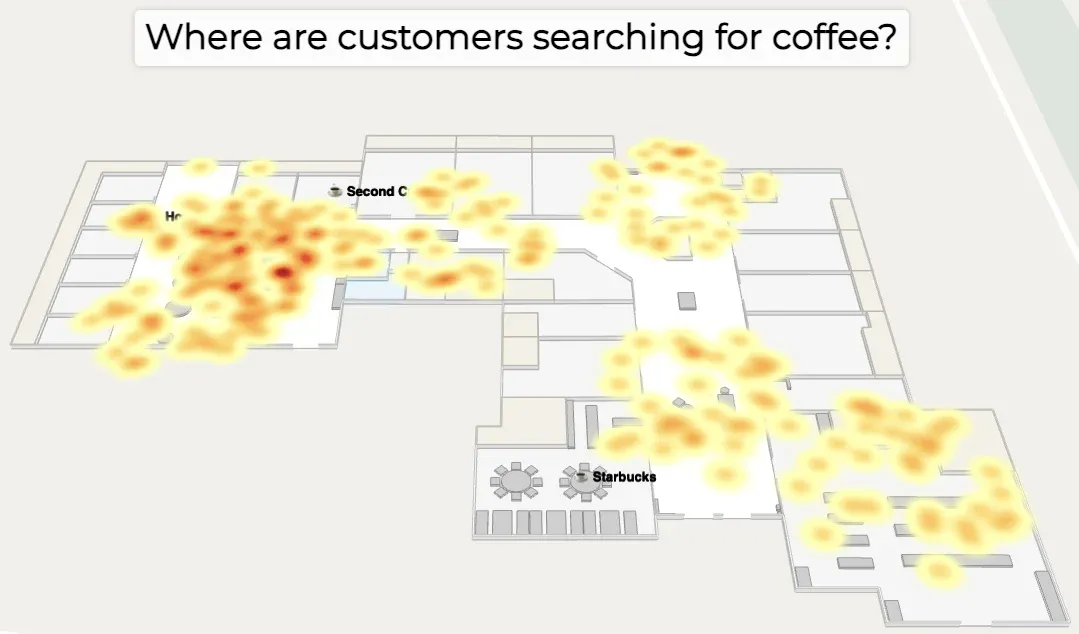
His view on AI in mall operations reflects the same pragmatism. The goal, as he sees it, is to use AI to interpret data in ways that allow management teams to make better decisions on tenant mix, layout, programming, and visitor experience rather than deploying it for its own sake. The technology should serve the physical reality of the asset, not float above it.
Data is only as valuable as your understanding of the space it describes. A shopper flow anomaly that looks puzzling in a dashboard might make perfect sense the moment you look at where the escalator is, or how far one store is from another, or what the sightlines are like from the atrium. The numbers and the building have to be read together.
The living organism mindset
If there's a single idea that runs through Kevin Tan's nearly four decades in mall management, it's this: the operators who win are the ones who stop thinking about their mall as a static asset and start treating it as something that has to be tended, curated, and actively managed in response to the people it serves.
In practice, that means:
- Constantly asking whether your tenant mix still reflects what your visitors actually want
- Treating tenants as business partners rather than rent-paying occupants
- Investing in customer experience because it directly shows up in your reversion rates and your NPI margin
- Being willing to make unconventional decisions when the evidence points that way
The mall industry has spent years fielding questions about its own relevance. Kevin Tan's answer, drawn from 39 years of practice, is that relevance is a result of how you run it.


Share