

London doesn't do anything small.
The venues here—Battersea Power Station, Covent Garden, the mixed-use destinations redefining what a "shopping centre" even means—carry decades of history and millions of visitors a year. They're complex, layered, and constantly evolving. Getting people where they need to go is core to the experience. And the experience is the entire point.
On my most recent trip to the UK, I had the chance to sit down with the teams behind some of these iconic properties.
We talked wayfinding, visitor behaviour, and what it actually takes to stand out in one of the world's most competitive venue markets. I walked away with three things I didn't expect.
But first, a confession. I left my wallet in a meeting room at Covent Garden. I didn’t panic… too much.
Seeing our work in the wild never gets old
One of the highlights of any customer visit is seeing Mappedin deployed in the real world. At Battersea Power Station, that hit differently.
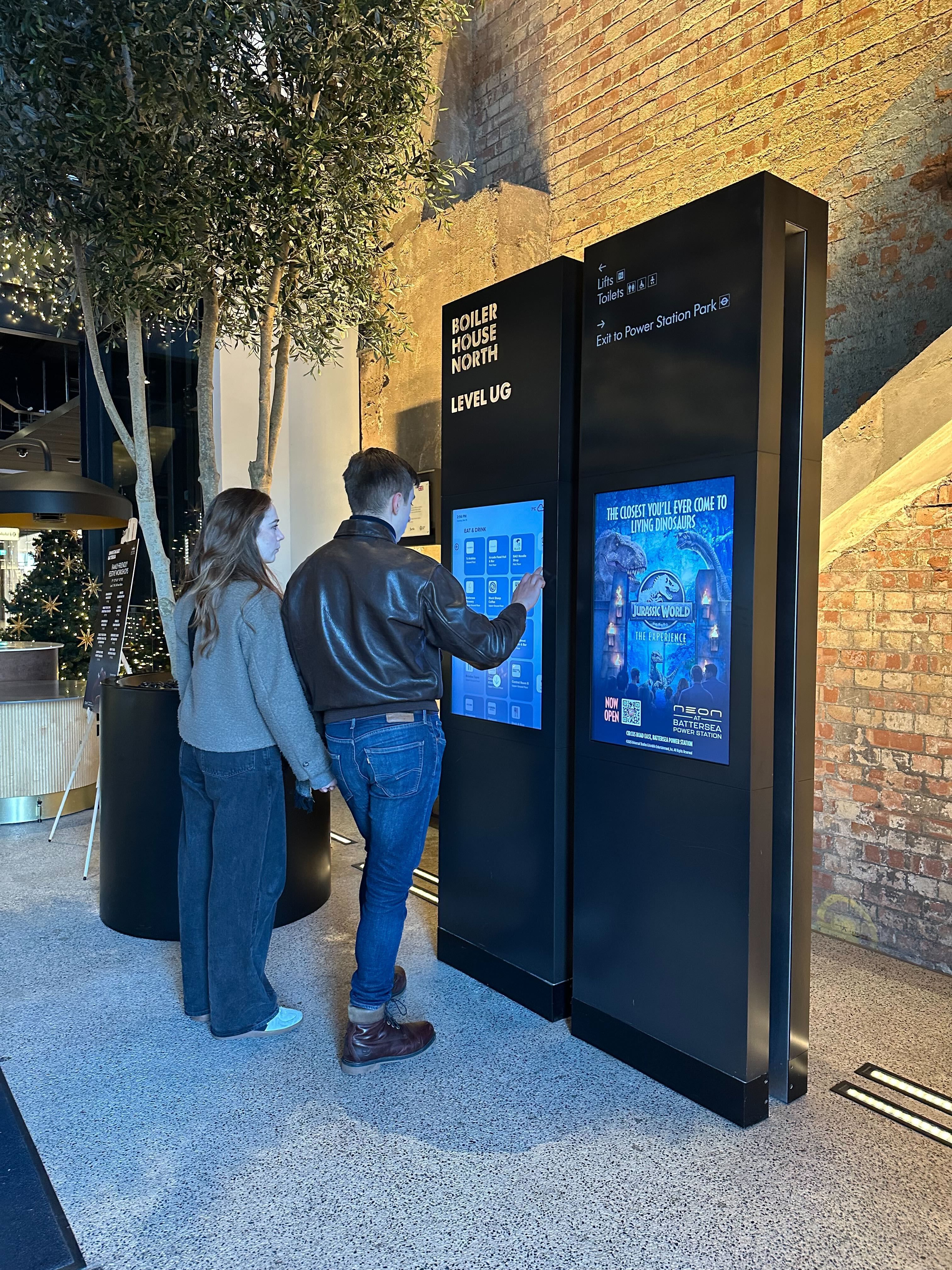
Battersea’s digital directories
What’s live at Battersea Power Station is genuinely one-of-a-kind. The UI design broke new ground for us, and standing in front of it, watching visitors use it in real time, reminded me why this work matters. Their digital directory is a tool people actually reach for—on the ground, in real time.
Covent Garden’s web map
Covent Garden’s map is a digital wayfinding experience for one of London's most visited destinations. When you're managing a venue that attracts tourists and locals alike, giving people immediate, accurate information is truly a competitive advantage.
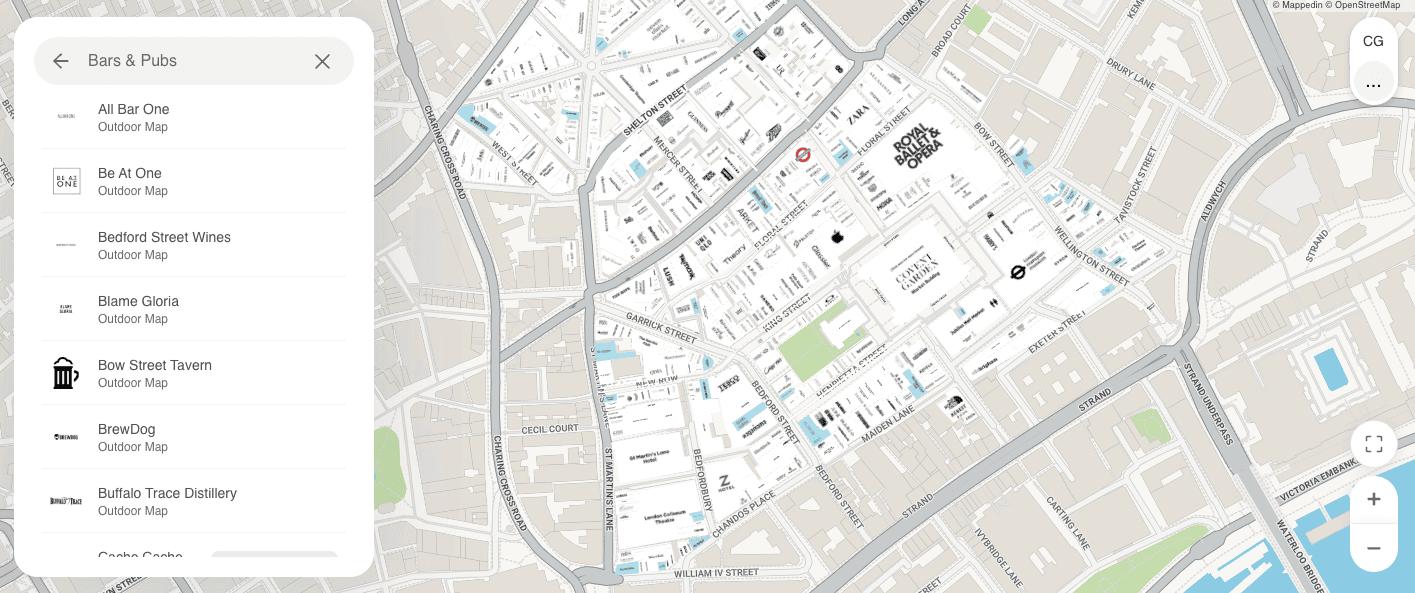
Both venues are doing something most properties are still figuring out: using digital mapping not just to answer "where is this?" but to shape how visitors move, discover, and engage with the space.
What the conversations taught me
1. Accuracy and immediacy are the new baseline
Across both conversations, one theme was consistent: visitors expect information to be right, and they expect it now. The venues that win aren't actually the ones with the best tenants or the most beautiful architecture.
In reality, they're the ones that make it easy to navigate. And that makes them look more professional, more polished, and more trustworthy.
The feedback I heard loud and clear: Mappedin helps these venues stand out.
Not just in comparison to their competitors, but in the eyes of their visitors. When someone walks up to a directory and it actually works – when the map is current, the search is fast, the directions are clear – that's a moment of confidence. It reflects well on the venue.
2. The analytics conversation has shifted
A year ago, the question was “Are people using the maps?”
Now, it's “How do we get more people to use them, and what can we learn when they do?”
That's a meaningful shift. It means our customers have established a baseline. They've seen the data, and now they want to do something with it:
- influence behaviour
- optimize layouts
- understand flow
QR codes came up in almost every conversation as a way to drive adoption and get visitors onto the digital map faster.
This is the moment where wayfinding stops being a utility and starts becoming a strategy. The venues leaning into analytics making decisions based on them.

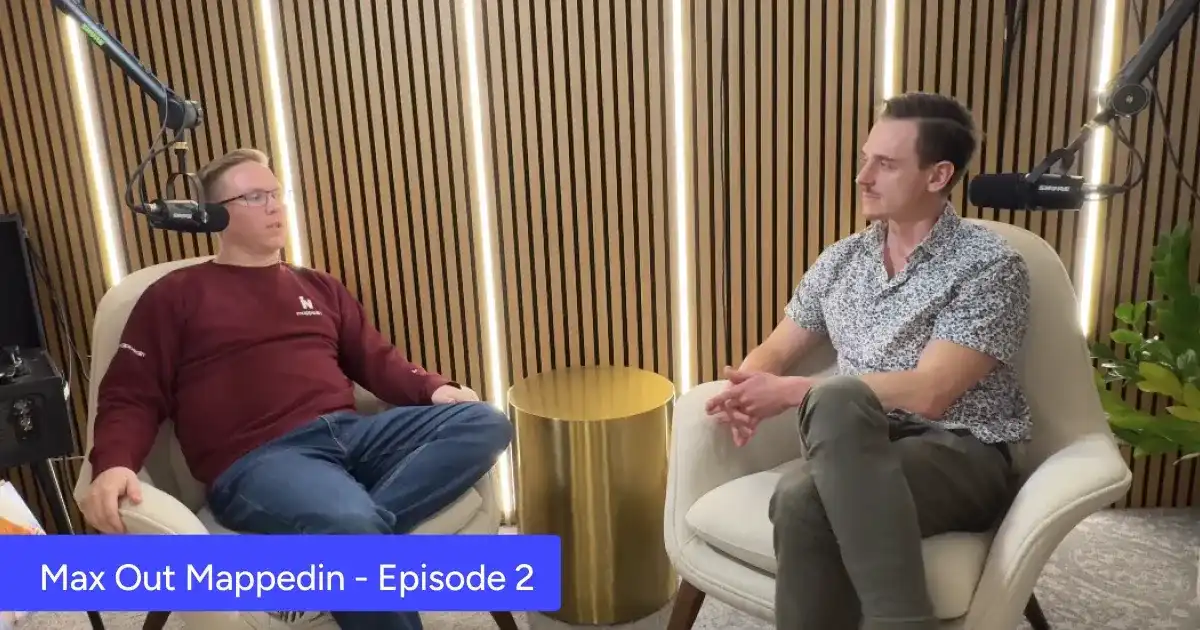
How smart venues can turn insights into revenue in 2026
With access to smart visitor analytics, customer experience and operations teams can turn insights into revenue. In this conversation, Michael Pasket, VP of Malls and Jere Suikkila, Solutions Architect reveal how leading venues use mapping and analytics to bridge the visibility gap between digital and physical experiences.
3. The "third place" shift is real (and it's here to stay)
This one genuinely surprised me. The malls and mixed-use destinations I visited aren't positioning themselves as retail destinations anymore. They're positioning themselves as places people want to be — to eat, meet, linger, and come back to. The experience is the product.
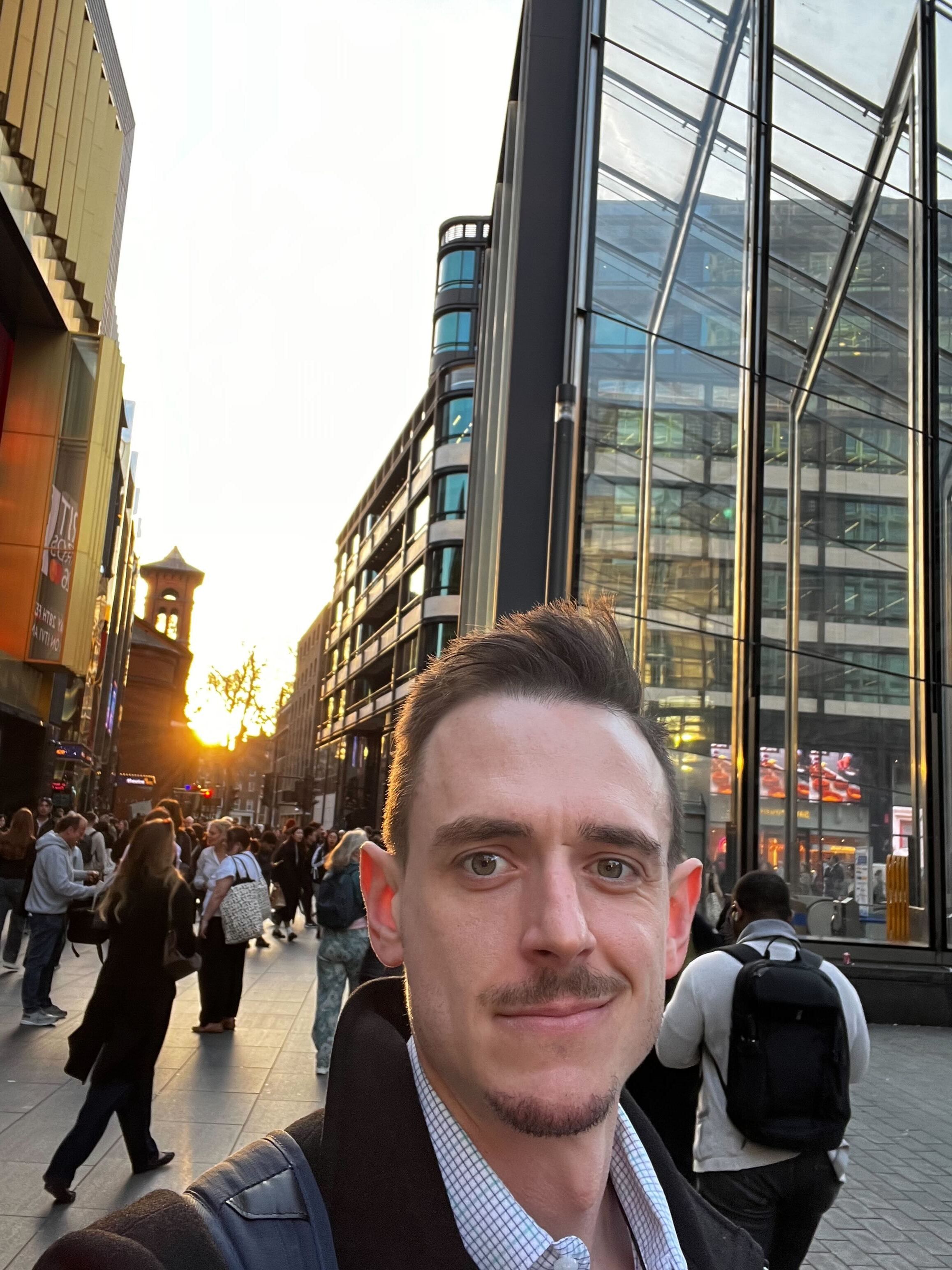
And here's the part that stuck with me: they see digital mapping as a tool that feeds into that strategy. When you can help a visitor discover a restaurant they didn't know was there, or navigate from parking to a specific pop-up event without frustration, you're shaping the experience itself.
The best venues in London understand this. Mappedin helps them deliver on it.
Why I'll keep showing up in person
Without exception, I'll always make time to visit our customers.
Because the conversations you have on-site—walking the floor, standing in front of the product together—are genuinely different from anything you get on a call.
You notice things, you hear things, and you leave with a clearer picture of what's working and where the opportunity is.
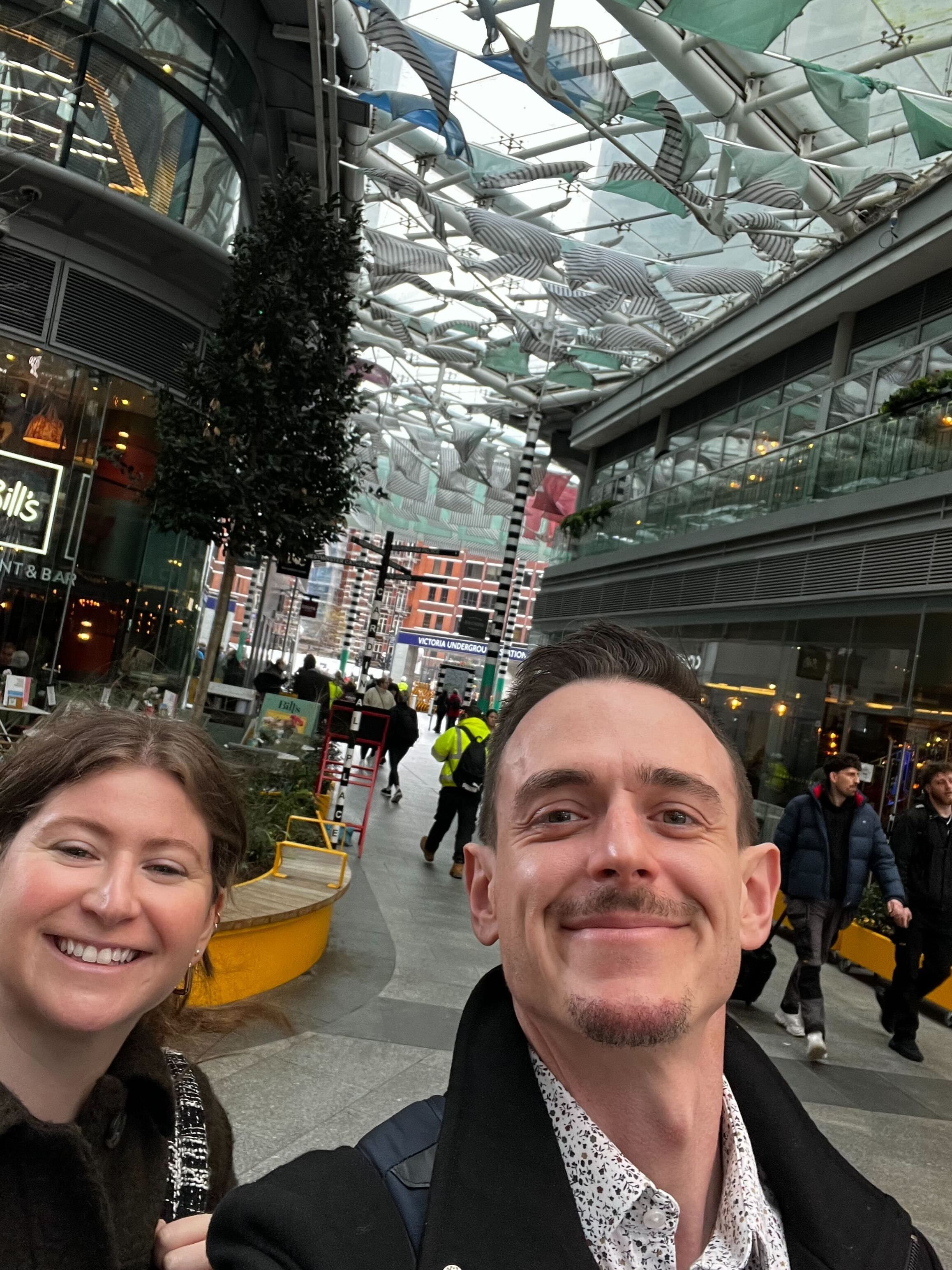
The UK market is moving fast. There are some really exciting things coming for venues in this region… I'll leave it at that for now.
If you're curious about how venues like Battersea Power Station and Covent Garden are using Mappedin to elevate the visitor experience, I'd love to show you what's possible.
Share