A large casino resort is one of the hardest places in hospitality to navigate. The gaming floor is intentionally disorienting, the hotel tower sits a quarter-mile from the buffet, and the spa, the showroom, and three of the best restaurants are tucked behind walls of slot machines. A guest who can't find the steakhouse they booked, or who gives up on the show they meant to see, isn't just frustrated. That's revenue walking out a door it never found.
Most operators still treat this as a signage problem. But static maps go stale the moment a restaurant changes or a wing reopens, and they tell you nothing about where guests actually get stuck. Navigation friction reduces dwell time and suppresses discovery of the very amenities that drive non-gaming revenue. On a property built to keep people moving and spending, that friction is expensive.
This is where casino wayfinding earns its place on the operations and marketing roadmap. Let's dive into four specific ways digital indoor maps move the numbers operators care about.

The hidden revenue casinos are leaving on the table
Casinos are investing billions in restaurants, entertainment, retail, and event space. But if guests can't find those amenities, that investment doesn't pay off. This guide shows Ops and Marketing teams how indoor mapping closes the gap, and what it's worth when it does.
What is casino wayfinding?
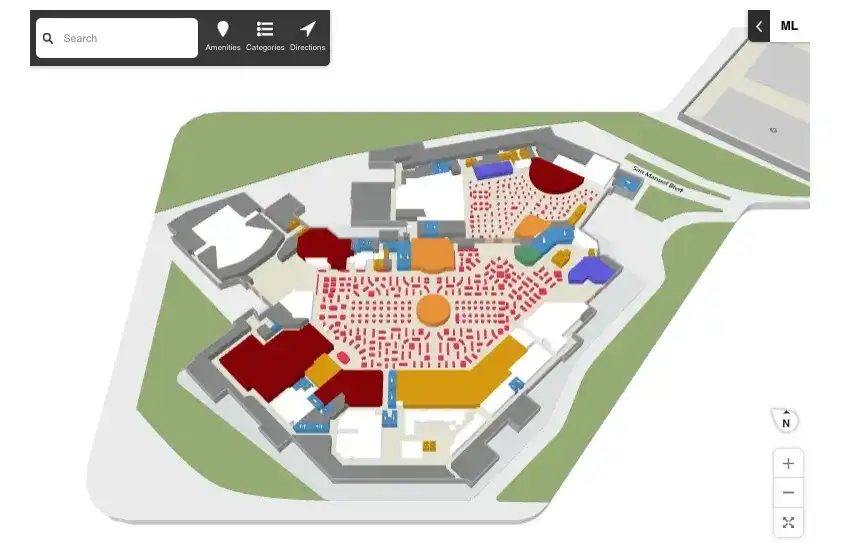
Casino wayfinding is digital indoor navigation that helps guests find their way across an integrated resort from a single connected map. Instead of relying on fixed wall directories and printed handouts, guests search for a destination on their phone, a lobby kiosk, or inside the resort app, and get turn-by-turn directions that account for multiple floors and the actual layout of the property.
The distinction that matters is integrated. A casino resort isn't one venue; it's a gaming floor stitched to a hotel, a dining collection, a spa, a convention center, and often a retail promenade.
Casino wayfinding connects all of it into one searchable system, so a guest checking in can route to their room, then to dinner, then to the theater, without ever asking a staff member where to go.
The shift from static to digital is also what makes navigation measurable.

The four ways indoor maps drive casino revenue
Wayfinding is essential for a smooth guest experience. But on a sprawling resort property, it's also a lever on four distinct revenue and cost lines:
1. Guests discover non-gaming amenities
Non-gaming revenue earned through things like guest dining, shows, spa, and retail depends entirely on guests knowing those options exist and being able to reach them. When the path to a restaurant runs through a confusing stretch of gaming floor, a lot of intent gets lost on the way. Digital wayfinding closes that gap by making every amenity searchable and routable from wherever the guest is standing.
A map that surfaces "restaurants near me" or "what's open now" turns a wandering guest into a directed one. Cross-property discovery is the whole point: the guest who came for the slots leaves having also booked the spa and caught the show.
2. Lost-guest friction drops, and so does the demand on staff
Every guest who stops a host to ask where something is on-premises is a small tax on operations. Multiply that friction across a busy weekend and it's hours of staff time spent pointing instead of serving. Digital maps let guests answer those questions themselves, and let staff share a precise route by QR code or link when someone does ask far faster than describing it.
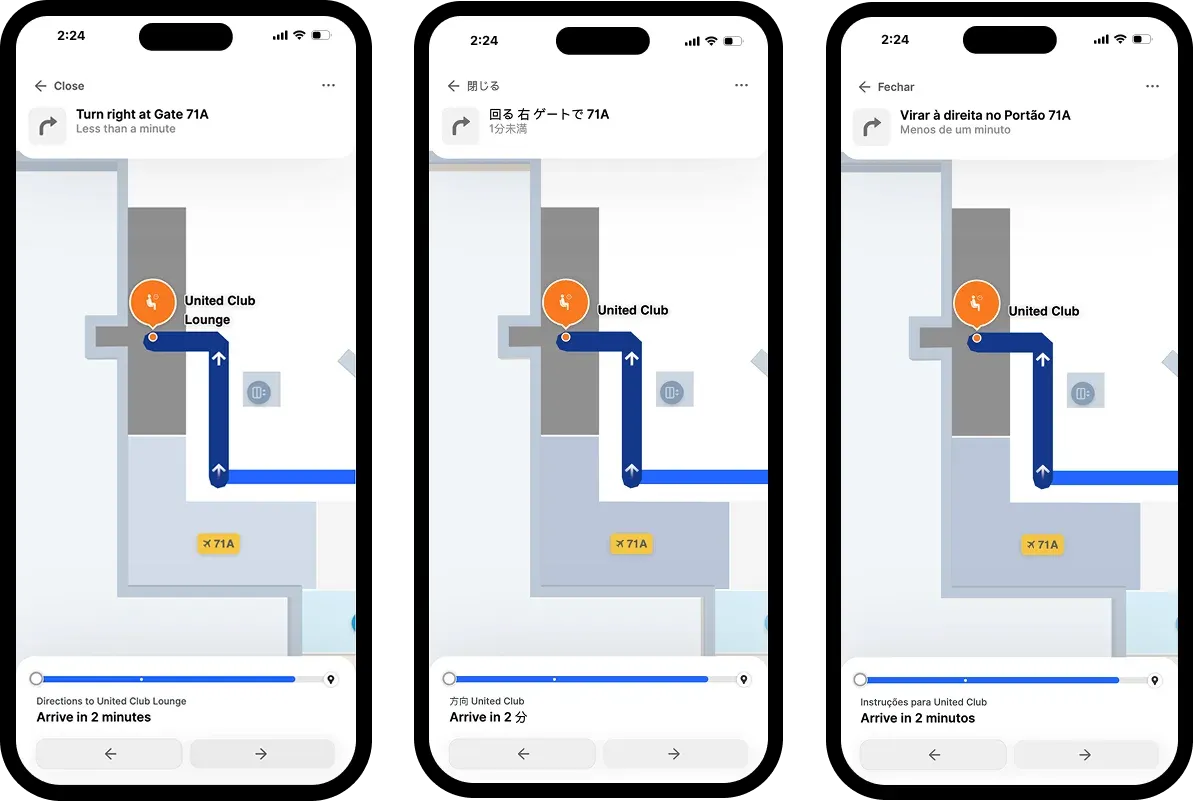
For ADA compliance and guests with mobility needs, the value compounds. For example, Mappedin's maps are WCAG 2.1 AA compliant and support step-free routing, so a guest who needs to avoid stairs or escalators gets a route built for them rather than a verbal best guess.
3. Casino app engagement and dwell time go up
Most large resorts have a loyalty app, and most struggle to give guests a daily reason to open it. A live map of the property is one of the few utilities guests reach for repeatedly during a stay. Embedding wayfinding into the resort app raises session counts, keeps guests on property longer, and creates a natural surface for promoting tonight's show or the restaurant with open tables.
Localization matters here, too. Resorts draw international guests, and Mappedin supports 40+ languages so the map works for the visitor reading in Mandarin or Spanish exactly as well as it does for an English speaker.
4. Guest flow analytics tell you where to act
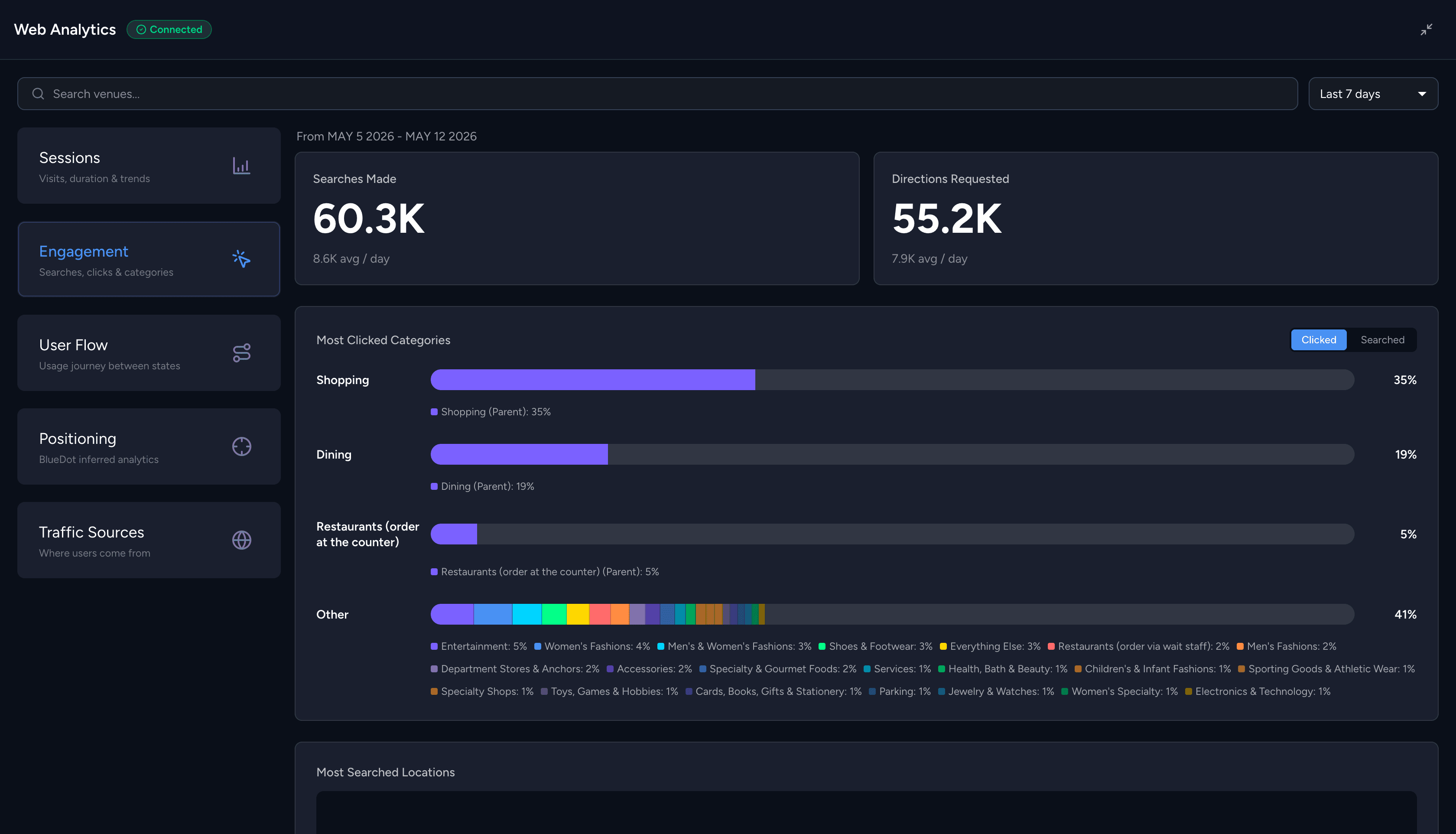
A printed directory is silent, but a digital map is a sensor. It shows which amenities guests search for most, where routes break down, and which corners of the property never get discovered. That data lets Operations and Marketing make decisions with evidence:
- Reworking signage at a chronic dead zone
- Repositioning an underused restaurant in the app
- Validating that a new wing is drawing traffic


How casino mapping keeps a sprawling resort current
The hardest part of casino mapping isn't building the first map. It's keeping it accurate as the property changes. Restaurants turn over, a gaming section gets reconfigured, a wing closes for renovation, a pop-up retail concept opens for a season. The moment a map stops matching reality, guests stop trusting it. A map guests don't trust is worse than no map at all.
Static signage and PDF maps can only be updated by reprinting and physically replacing them, which is slow and expensive enough that most properties simply let the maps drift out of date. The information on the wall lags weeks or months behind the floor.
Mappedin solves this with a content management system that acts as a single source of truth for the property. A team member updates a layout, adds a new restaurant, or toggles a closed section once, and that change propagates in real time across every surface (the web map, lobby directories, and the resort app) with no reprinting and no developer involvement.
One edit, surfaced everywhere, instantly.
That central system is what makes the analytics, the localization, and the multi-surface consistency hold together at scale. It's also what convinced operators of genuinely complex properties that digital mapping was worth it.
— Rachel Bell, VP of Client Development, Product, Intersection / Hudson Yards
Enterprise vs. DIY for casino mapping
Not every property needs the same tier of indoor mapping for casinos, and it helps to be honest about where the line falls.
Self-serve map maker tools are a reasonable starting point for a single, relatively simple venue. If you want one interactive map of one floor, with occasional manual updates and no integration into other systems, a do-it-yourself tool can get you there at low cost.
The enterprise platform becomes the right call when the property gets complicated. And for a resort, it almost always is.
A few signals that you've outgrown a self-serve approach:
- You operate multiple properties or multiple buildings and need consistent maps and shared data across all of them.
- You need the map to integrate with the resort app, loyalty system, or digital directories rather than living as a standalone page.
- You need managed data sync so the map stays current automatically from existing systems of record, instead of relying on manual edits.
- You need analytics, accessibility compliance, and multi-language support as standard rather than as add-ons.
Mappedin for Casinos & Resorts is built for that second situation. It connects the gaming floor, hotel, dining, and amenities into one managed system, syncs data so the map reflects the real property, and supports the integrations a resort's digital team expects.

Share