American Dream in East Rutherford, New Jersey is not a typical mall. The property spans over three million square feet and includes 450-plus stores and restaurants, an indoor ski slope, the largest indoor water park on the continent, and Nickelodeon Universe, the largest indoor theme park in the Western Hemisphere. It sits at the junction of two of the busiest highway networks in North America and draws visitors who have never been to anything quite like it.
Running guest experience at a place like that is not a single job. It requires a fundamentally different approach than the traditional mall playbook.
I sat down with two people doing that work every day: Anthony DiAmbrosio, Manager of Guest Engagement, and Elliot Goldford, who oversees product and engineering at American Dream. Their roles look very different on the surface, but they are solving the same core problem from opposite ends.
Watch the episode of Mall Talkers with Elliot Goldford
The old playbook falls short
For decades, mall operators have leaned on one primary lever: promotions. Discounts, sales, seasonal events. The goal was simple: get people in the door.
Anthony is direct about where that thinking falls short.
He puts a number on it: 80% of what drives repeat visits comes down to how you make people feel. "Today, you could go on your phone and order pretty much whatever you'd like and have it delivered by later today. People are coming here to be heard, to be acknowledged, to interact with another human being. To do something silly and fun with their family."
The shift from transaction to transformation is what separates a destination from another stop.
Scale creates a different kind of problem
Elliot inherited a different version of the same challenge. Building the digital wayfinding and guest communication infrastructure for a property of this size means scale is not just an engineering problem. It is a trust problem.
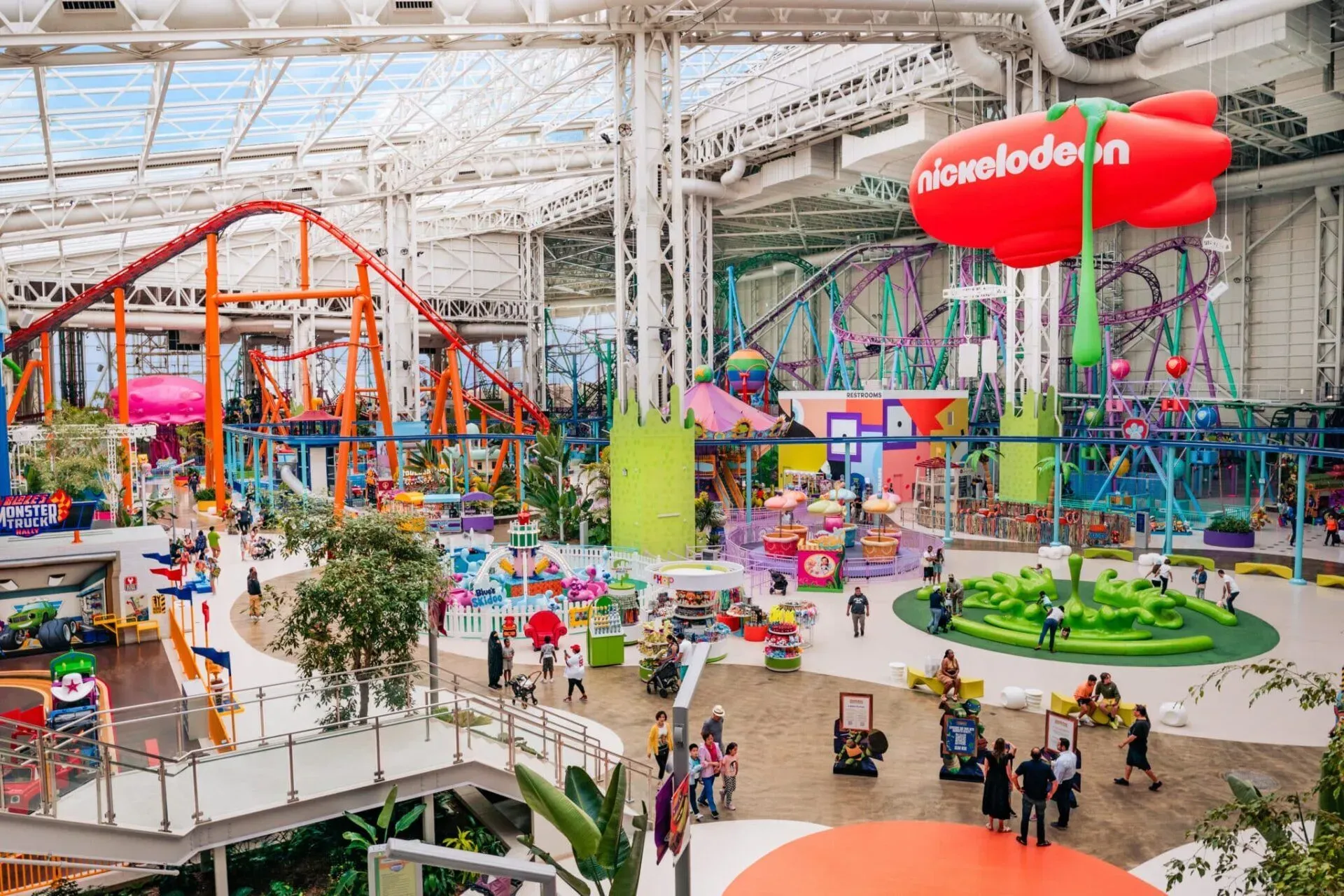
"We were a brand-new property," Elliot explains. "There was no historical base of knowledge guests could draw on. No one had ever been here before. So there was an educational hurdle."
On top of that, American Dream is physically surrounded by major highway interchanges. First-time visitors can find themselves parked far from where they need to be without realizing it until they are already walking.
The response was to think about the guest journey as starting well before arrival:
- Pre-visit emails
- Clear parking guidance tied to specific entrances
- License plate recognition system that makes parking touchless and prepaid
- Large digital directories at every entrance
- QR codes throughout the building linking to live wayfinding
"We try to get ahead of the game before guests even pull up," Elliot says.
Getting guests to discover more than they planned
Both Anthony and Elliot spend significant time thinking about cross-discovery: how do you get someone who came for one thing to experience something else entirely?
The physical layout of American Dream was designed with this in mind. The flagship attractions, including the water park and theme park, are situated so guests pass through retail and dining to reach them. Wayfinding and business objectives are built into the same infrastructure.
The human and digital layers reinforce this further. Elliot's team worked with Mappedin to build a digital map experience that mirrors the physical reality of the venue, reflecting what guests actually see and feel when they are inside.
"Styling the digital map to be a reflection of the physical experience has been a big win for us," Elliot says. Guests navigating to the water park or theme park encounter the same color-coded courts and visual landmarks on screen that they will see in person, reducing confusion and building confidence before they take a single step.
Anthony's Brand Ambassadors, frontline staff who move through the building, are trained to have genuine conversations rather than transactional ones. "Not 'Can I help you find something?' but real conversations.
- Where are you from?
- What have you done today?
- Have you been to this part of the building?
A natural suggestion follows. "Oh, you've got kids? Have you been to the DreamWorks area?" It is hospitality, not just retail.
The metric that actually matters
Ask Anthony what he is measuring and he does not lead with NPS or foot traffic. He leads with return rate. "Are they coming back? And more specifically, are they bringing someone new?"
It is a deceptively simple frame. But it is the one that connects everything both Anthony and Elliot are building toward.
The surprise-and-delight moments, the touchless parking, the contextual digital messaging, the Characters of the Dream Parade, a monthly event Anthony created by noticing that Nickelodeon, DreamWorks, Angry Birds, Dunkin, and a dozen other tenants all had costume characters and thinking: what if they all marched together?
Every initiative traces back to the same question. Does this give someone a reason to come back? Give your guest one reason to return.
From first visit to loyal guest
With the FIFA World Cup coming to MetLife Stadium, directly adjacent to American Dream, both teams are preparing for a surge unlike anything the property has seen before. The challenge is not just volume. For many of those visitors, it will be their first time at the property, navigating an unfamiliar venue in a second language, with no prior frame of reference. The goal is to make sure it is not their last.
For Elliot, that means the digital infrastructure has to do more of the heavy lifting upfront. Contextual messaging, localized content, and real-time offers that respond to what is happening around the venue.
For Anthony, converting a first-time visitor starts with something much simpler. He carries tickets and gift cards in his pocket every day. When he spots a child or a family who missed a ride or show, he steps in. A complimentary ticket. A personal escort to the right part of the building. "The look on their face, especially the child, is priceless. And 9 times out of 10, the parent is taking out their phone and sharing it on social media."
That is the ROI Anthony keeps coming back to. Not the cost of a free ticket, but what it sets in motion: a story worth sharing, a reason to return, and a family that comes back next time already knowing it is worth the trip.


Share