

Retail security has evolved far beyond watching for shoplifters and checking cameras at the end of the day. Today's Chief Security Officers in retail manage comprehensive operations that protect inventory, ensure customer safety, coordinate emergency response, and maintain the welcoming atmosphere that drives sales, all while facing an escalating threat landscape.
The stakes have never been higher.
— National Retail Federation
The challenge for Chief Security Officers managing retail portfolios and shopping malls is creating a safe and secure environment without compromising guest experience.
Customers won't shop where they feel watched, scrutinized, or unwelcome. But the alternative—inadequate security—means mounting losses and safety risks.
This article breaks down what effective retail security looks like today, the systems and technology that make it work, and the strategies Chief Security Officers are using to protect assets while maintaining the customer experience.
Interested in seeing how Mappedin can transform your retail property's private security, streamline operations and drive better visitor experiences? Book a personalized demo. →
The state of retail security today
Modern retail security addresses multiple threats simultaneously while maintaining the open, accessible environment that drives sales. It's a balancing act that requires sophisticated systems, well-trained teams, and clear protocols.
What retail security encompasses
Loss prevention and shrinkage reduction
Shrink comes from three main sources: external theft (shoplifting and organized retail crime), internal theft (employee theft), and administrative errors (pricing mistakes, damaged goods not properly documented). Each requires different prevention strategies, but all impact the bottom line.
Customer and employee safety
Everything from slip-and-fall incidents to medical emergencies to active threats fall within the category of customer and employee safety. Retailers have a duty of care to provide a safe environment for both shoppers and staff, which means having protocols in place for a wide range of scenarios.
Asset protection
Asset protection extends beyond inventory to include cash handling, high-value merchandise security, and protecting physical infrastructure. This often involves specialized security measures for jewelry counters, electronics departments, or pharmacy areas that carry higher-value or regulated products.
Emergency response and business continuity
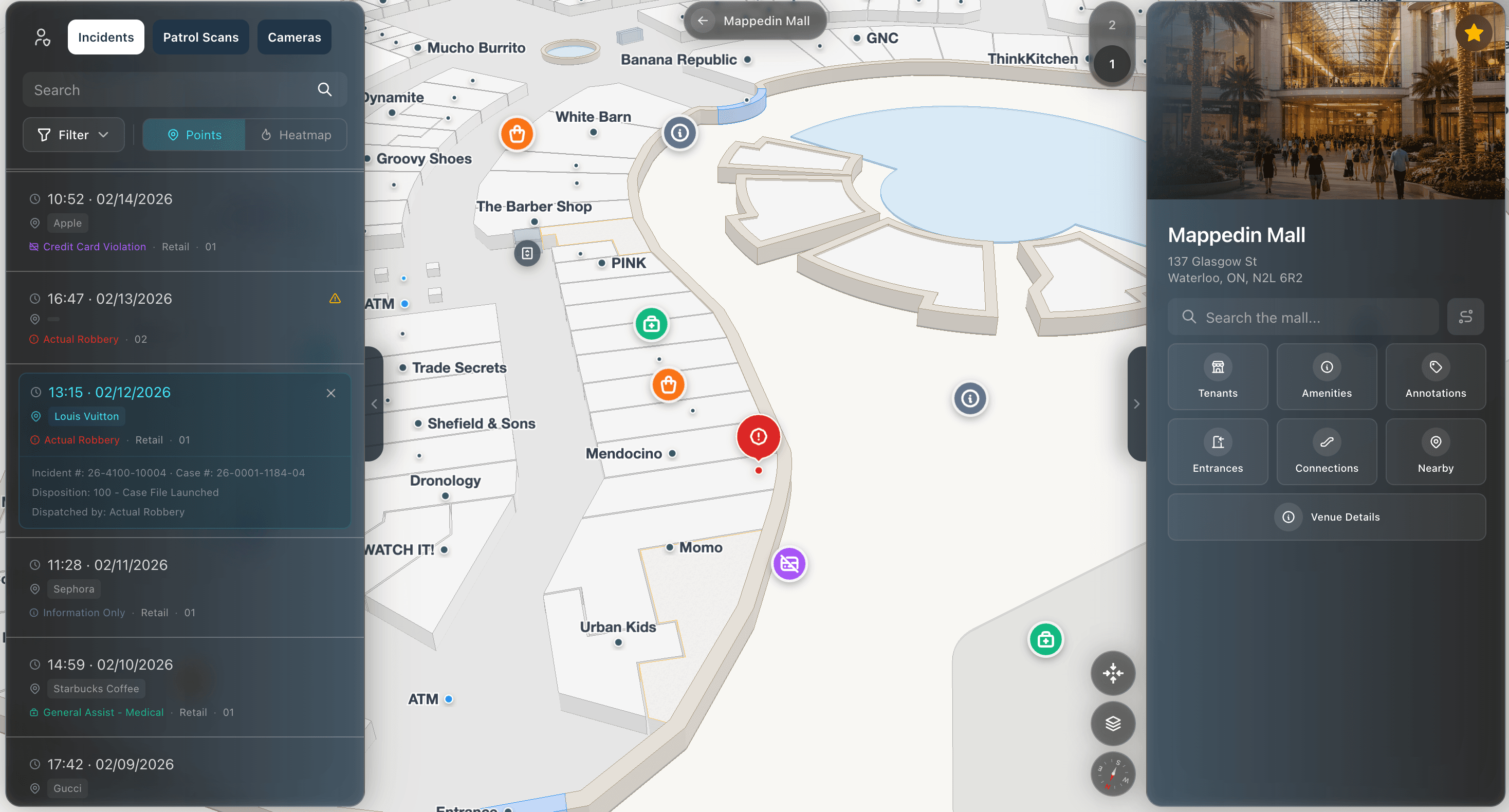
Retail security is tasked with ensuring that when something goes wrong, your team can respond quickly, coordinate effectively, and get operations back to normal as soon as possible.
Organized retail crime coordination
Increasingly important as theft has become more sophisticated, ORC mitigation is paramount to retail security. Chief Security Officers now work with law enforcement, other retailers, and industry groups to identify patterns, share intelligence, and build cases for prosecution.
5 challenges of retail security
Retail security operates under constraints that don't exist in most other environments.
1. Stores are designed to be open and welcoming.
You can't lock down a shopping mall the way you would an office building. Customers need to move freely, browse without feeling monitored, and have easy access to merchandise.
2. Staff turnover in retail runs higher than most industries, which means constant training and reinforcement of security protocols.
A new employee who doesn't understand proper cash handling procedures or how to respond to suspected theft creates vulnerabilities.
3. Multi-location portfolios add a layer of complexity.
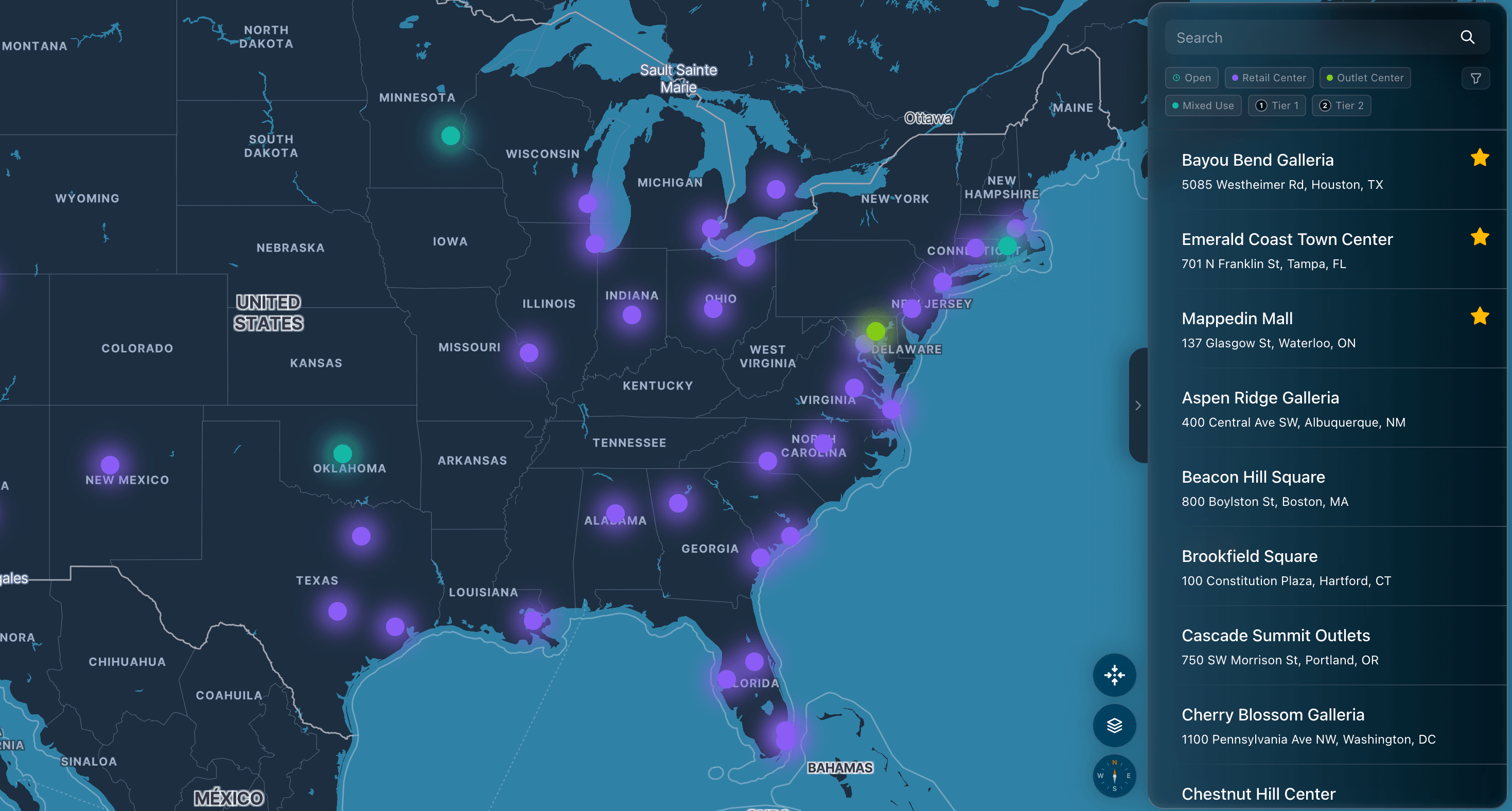
Chief Security Officers need centralized oversight to identify trends and coordinate responses, but they also need local flexibility because what works in a suburban mall might not translate to an urban shopping district.
4. Customer experience can't be sacrificed for security measures.
Visible security presence deters some theft, but too much makes customers uncomfortable. Loss prevention technology needs to catch shoplifters without creating false alarms that embarrass legitimate customers. It's a constant calibration.
With shoplifting incidents up 18% year-over-year, Chief Security Officers face mounting pressure to implement effective deterrents without creating a hostile shopping environment. Not every property sees the same percent increase, but the overall trend demands a response.
5. The complexity of organized retail crime versus opportunistic theft requires different security approaches.
A teenager stealing a candy bar, for example, is a different problem than a coordinated group hitting multiple locations to steal high-value merchandise for resale. Retail security systems and protocols need to address both.
How to modernize retail security systems
Chief Security Officers building or upgrading retail security operations need modern, integrated systems that work together seamlessly. Individual security measures help, but the real value comes from connecting them into a comprehensive platform.
Retail security cameras and video surveillance
Video surveillance is the backbone of retail security, but placement and capability matter more than simply having cameras.
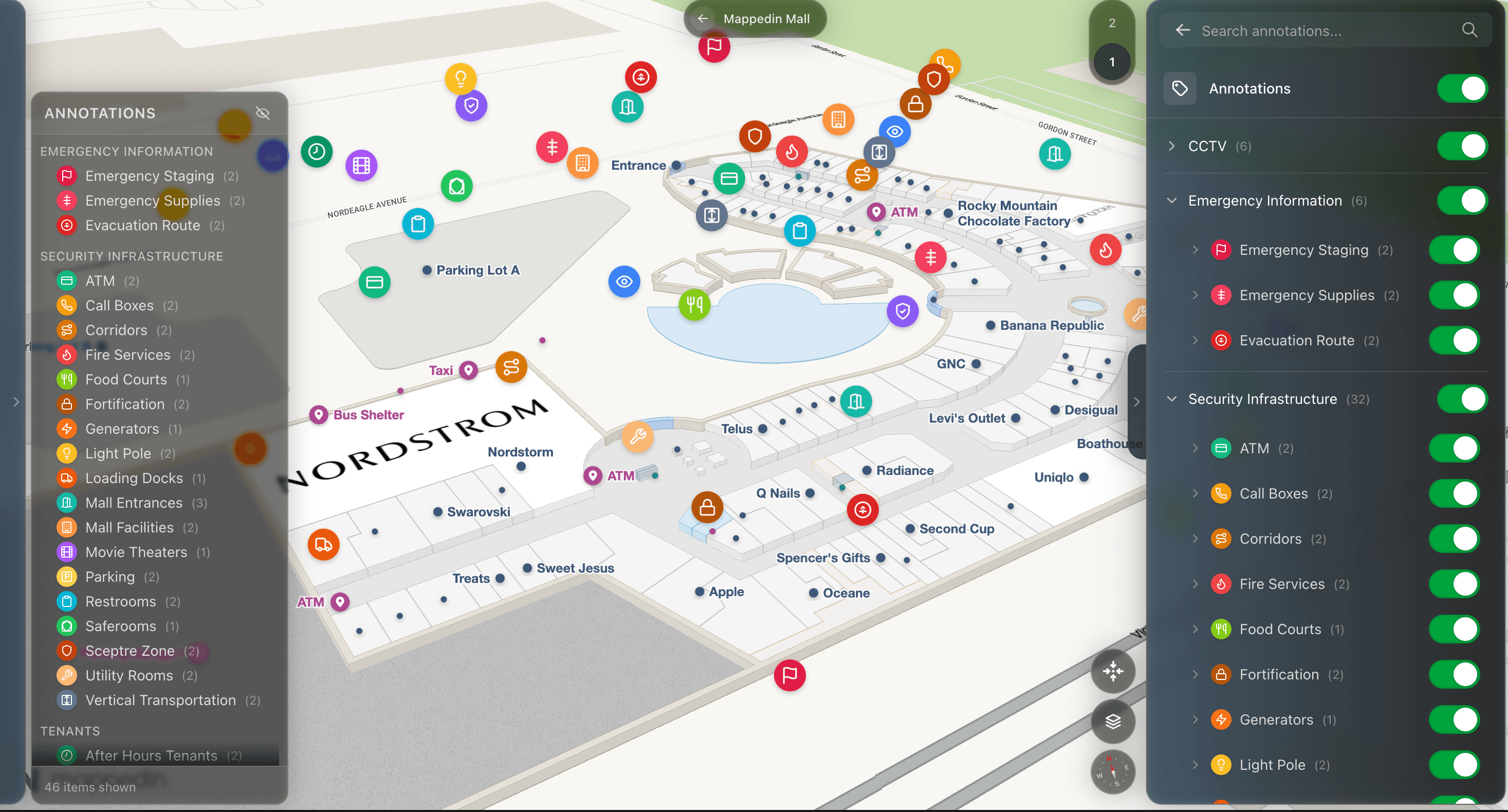
Strategic placement includes entrances and exits (to track who's coming and going), cash registers (for transaction monitoring), high-value merchandise areas, parking lots, loading docks, and stockrooms. The goal is eliminating blind spots while using cameras efficiently.
Modern retail security cameras include AI-powered analytics that go far beyond recording footage.
They can detect unusual behavior patterns, identify overcrowding, flag when someone spends an extended time in one area without making a purchase, and alert security teams to potential problems before theft occurs.
ROI of video surveillance
Transaction monitoring links video to POS data so you can see exactly what happened during a transaction.
Unusual activity alerts notify security when someone enters a restricted area or when behavior matches known theft patterns. Repeat offender identification can flag individuals who've been involved in previous incidents across your portfolio.
Storage and retention requirements have become more demanding as video resolution has increased and retention periods have extended for legal and investigative purposes. Cloud storage has made this more manageable, but CSOs still need to balance storage costs with retention needs.
Integration with POS systems creates a powerful loss prevention tool. When video is synced with transaction data, you can review every void, refund, or discount to verify it was legitimate.
This catches both external theft and internal theft schemes.
How to measure retail security effectiveness
Like all retail leadership positions, Chief Security Officers need to prove that security investments deliver value. That means tracking metrics that matter to executive leadership and translating security effectiveness into business outcomes.
Interested in seeing how Mappedin can transform your retail property's private security, streamline operations and drive better visitor experiences? Book a personalized demo. →
Key retail security metrics for Chief Security Officers
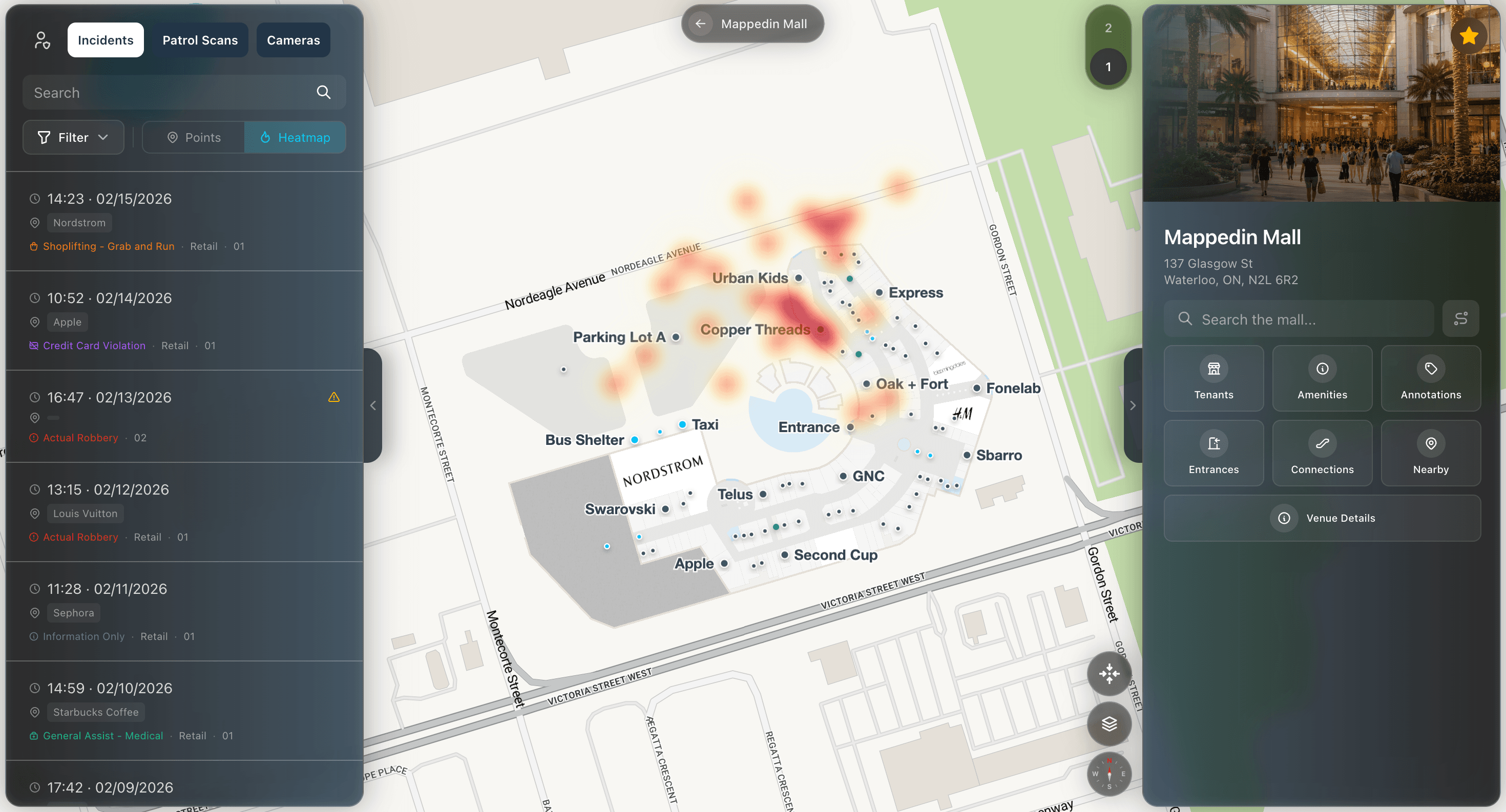
Shrinkage rates by location and category provide the most direct measure of loss prevention effectiveness. Track total shrink as a percentage of sales, but also break it down by category and location to identify hot spots.
Incident frequency and type should be tracked against the 18% industry increase benchmark. If industry average shows incidents rising 18% but your portfolio shows only 5% increase, that demonstrates measurable security program value. If you're seeing increases above 18%, you need to understand why and what you're going to do about it.
Response times to security events measure operational efficiency. This metric measures how quickly security personnel or managers respond to alarms, customer complaints, or suspicious activity reports. Faster response often means better outcomes.
Apprehension rates and prosecution success demonstrate that your security program goes beyond just detecting theft. Track what percentage of shoplifting incidents result in apprehension, and what percentage of apprehensions lead to prosecution.
Customer and employee safety records show whether you're maintaining a safe environment. Track slip-and-fall incidents, workplace violence, parking lot incidents, and any other safety metrics relevant to your operations.
Technology system uptime and effectiveness ensures that the tools you've invested in are actually working. If cameras are offline 15% of the time or access control systems are constantly generating false alarms, you're not getting value from those investments.
Cost per incident prevented helps you understand efficiency. If you're spending $100,000 on security measures that prevent $1 million in losses, that's a strong ROI.
The future of retail security
With shoplifting incidents rising 18% year-over-year, effective retail security has never been more critical to protecting margins and maintaining safe shopping environments. Modern retail security systems must integrate technology, trained personnel, and clear processes that work together seamlessly.
Chief Security Officers managing retail portfolios need to demonstrate value through measurable loss reduction and safety improvements while maintaining the welcoming environments that drive sales.
Start by assessing current shrinkage rates against industry benchmarks, evaluating your retail security cameras and systems for coverage gaps and capability improvements, and building a loss prevention culture that engages every employee.
The most effective retail security is comprehensive yet invisible to legitimate customers – protecting assets and ensuring safety without compromising the shopping experience that brings customers through your doors.
Related resources:


Share