
Start Here
The top retail technology trends for 2026 include AI-powered analytics, phygital retail experiences, indoor mapping and digital wayfinding, IoT sensors, and AR/VR immersive experiences. These digital transformation tools help mall operators reduce operational costs, optimize tenant mix based on foot traffic data, and deliver seamless omnichannel experiences that justify visits for cost-conscious consumers. Properties that implement foundational technologies like interactive kiosks and centralized venue data management now will gain competitive advantage as these tools become industry standard.
Mall operators face a complex challenge in 2026: consumers expect premium in-store experiences while exercising caution with non-essential spending due to rising inflation.
This year, visitors want experiences beyond just a simple errand, but they're selective about where their dollars go. And technology is helping shopping center leadership and operations bridge the gap between consumer expectation and venue reality, proving value on every visit.
Consumers are experience-hungry. In fact:
Your property needs to support both commerce and community, and the right digital infrastructure makes that possible. When you complement physical assets like staff and signage with digital tools like indoor maps and interactive kiosks, you reduce operational burden while increasing visitor engagement and dwell time. You also gain visibility into visitor behavior you've never had before.
Here are the retail technology trends reshaping how mall operators attract cost-conscious visitors, maximize operational efficiency, and compete in 2026's evolving economic landscape.
What is retail digital transformation?
Retail digital transformation means integrating digital tools into your physical operations to improve efficiency, visitor experience, and revenue performance. When done well, retail digital transformation amplifies your existing assets with technology that fills the gaps.
Operationally, digital transformation includes a few key components:
- Centralized venue data management that keeps tenant information, amenities, and updates consistent across all touchpoints
- Real-time visitor behavior analytics that reveal foot traffic patterns, dwell time, and navigation habits
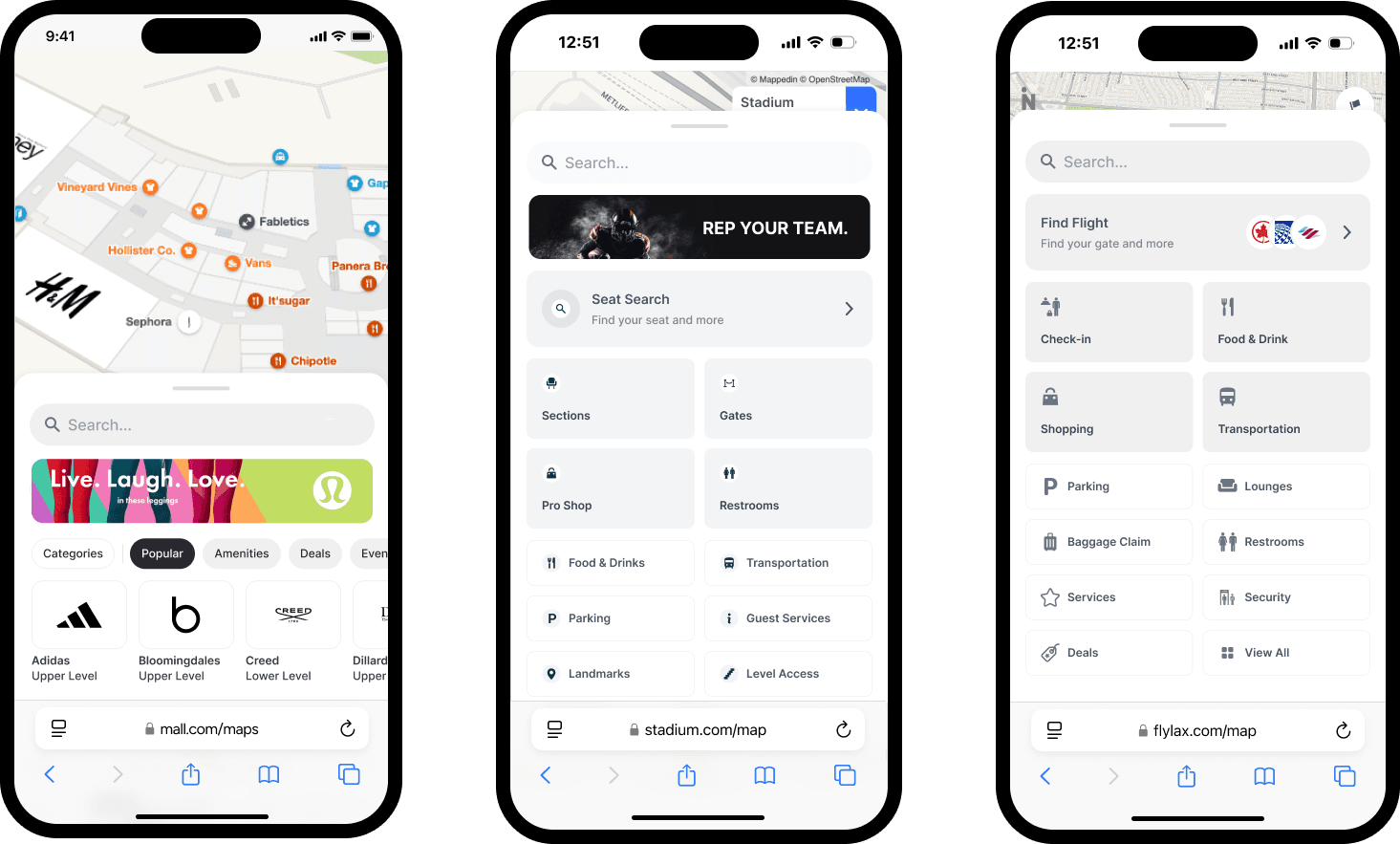
- Digital wayfinding and discovery tools that reduce routine staff inquiries
- Unified platforms that ensure your physical and digital experiences work together seamlessly
When your physical assets work alongside digital tools, you gain operational visibility that changes how you make decisions. Your staff spends less time answering "Where is...?" questions and more time on high-value interactions. With analytics, staff can see which zones underperform and address issues before they impact lease renewals. With a single source of truth, one content update reaches every kiosk, screen, and mobile device instantly.
The investment landscape reflects this transformation: 63% of retailers are increasing spending on data analytics, with 35% investing in AI technology to improve workflow.
Retail leadership are turning toward the future, aligning the efficiencies of digital tooling with the predictability of human staff.
How technology is evolving retail operations
When implemented well, technology fundamentally changes what your team focuses on daily.
Digital tools now have the capacity to handle the routine inquiries that used to consume staff time – store locations, hours, amenity information, and basic navigation. With more hours in the day freed up, the team can focus on problem-solving, high-value visitor interactions, and operational improvements.
The operational impact shows up in tangible ways:
- Digital directories reduce the volume of basic questions at your information desks, allowing those staff members to address more complex visitor needs.
- Indoor mapping reveals foot traffic patterns, common navigation bottlenecks, and which stores get searched for but rarely found.
- Centralized content management means updating tenant hours or promoting an event happens once, not dozens of times across different systems.
Perhaps most importantly, technology provides data that informs strategic decisions. You're no longer guessing which areas need intervention or which tenant mix might improve circulation. The analytics tell you, and you can act on reliable information rather than assumptions.
9 retail technology trends for 2026
1. Phygital retail experiences become a must-have
"Phygital" represents the merging of the physical and digital environments. Retail venues that do it well are essentially merging the convenience of online with the immersive experience of offline, creating a holistic experience where shoppers can browse, buy, and connect across channels. In 2026, this experience is becoming table stakes for brick and mortar retailers.
Visitors who engage with your property digitally before arriving already know which stores they want to visit and how to get there. They navigate more efficiently, spend less time searching, and generate fewer inquiries to your staff.
The generational data supports this shift:
Interactive kiosks and mobile-responsive indoor maps bridge the gap between online research and in-person visits. When visitors can plan their route before they arrive, they walk through your doors with purpose and confidence. Your property benefits from reduced congestion, more efficient circulation, and visitors who maximize their time on-site.
— Michael Pasket, VP of Malls, Mappedin
2. Retail analytics transform decision making
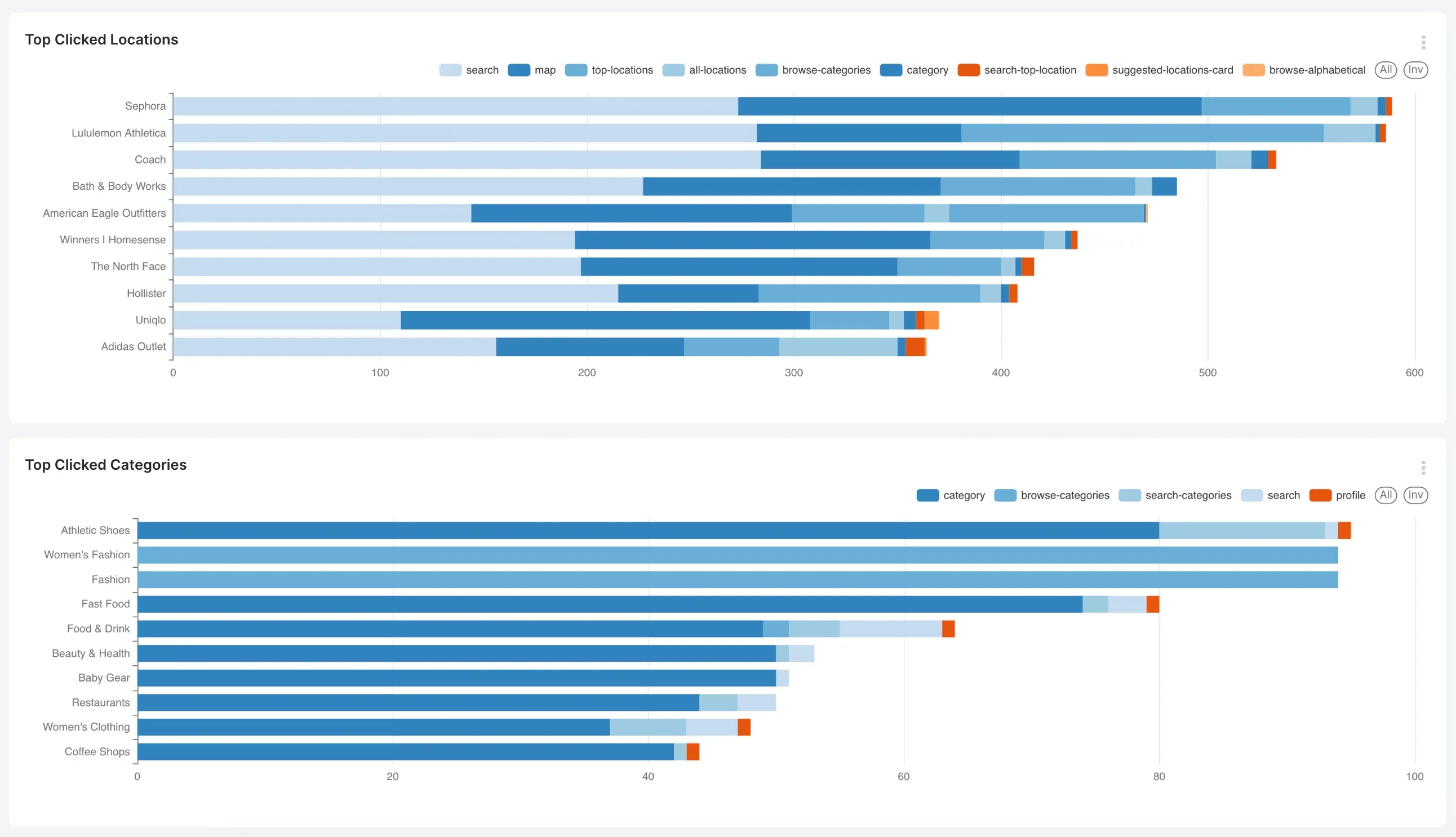
Retail analytics answers critical operational questions:
- Which zones see peak traffic at which hours?
- How do tenant performances compare?
- Which areas underperform consistently?
- Where are visitors searching for a specific product or service?
The platforms that collect visitor behavior data through digital touchpoints translate raw numbers into actionable insights your team can use immediately.
The applications impact daily operations and strategic planning. When your analytics show visitors spending minimal time in a specific wing, you can investigate before lease renewals come up. Foot traffic patterns inform leasing decisions—you know which locations command premium rates and which need tenant mix adjustments. Peak hour data optimizes staff scheduling, ensuring you have coverage when and where it matters most.
This is how data analytics is used in retail at the property level: not just collecting numbers, but transforming them into decisions that improve performance. Retail analytics software like Mappedin gives you visibility into visitor behavior patterns that would otherwise remain invisible, allowing you to manage your property proactively rather than reactively.
3. Experiential retail drives repeat visits
Imagine walking into your favorite sporting goods store and discovering it's been transformed into a bustling sporting event with music, concessions, and photo ops.
Experiential retail creates memorable, shareable moments that give visitors reasons to choose your property over online shopping. When consumers are cautious about discretionary spending, experiences that deliver value beyond transactions become essential differentiators.
And the social amplification potential is significant:
Your property becomes its own marketing when visitors share their experiences. Events, installations, and unique moments increase dwell time while generating organic reach you couldn't buy through traditional advertising.
Technology plays a supporting role in experiential retail success. Interactive wayfinding helps visitors not only navigate a venue to find what they need but to also discover events or activities they might otherwise miss.
Digital promotion surfaces experiences to visitors who are already on-site and looking for something to do, and social media integration makes sharing effortless, extending your reach beyond your physical footprint.
4. Indoor mapping inspires greater discovery and dwell time
When a shopper is lost, anxious or confused, they’re less likely to want to remain in the venue and make a purchase. And when staff is tied up constantly answering where the bathroom is or whether there are any pop-up events happening that day, they can’t spend time on value-add tasks.
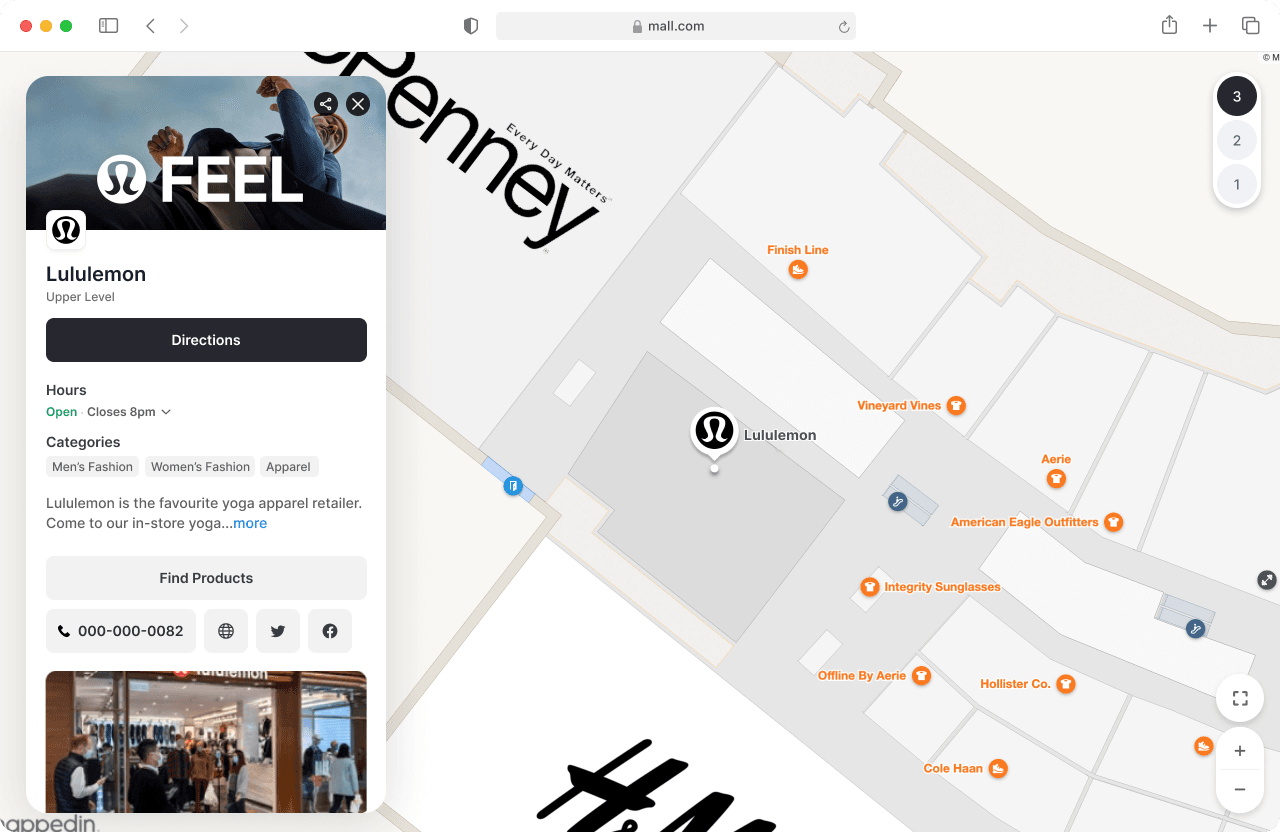
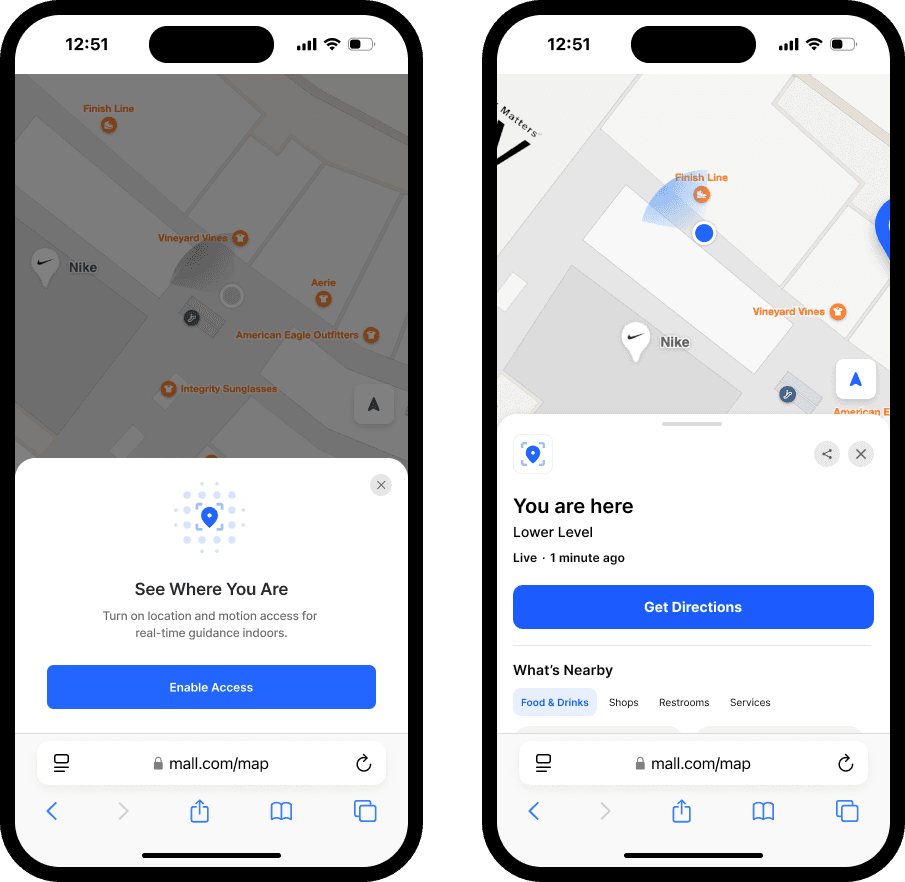
In 2026, indoor maps and digital directories are solving this operational problem by not only providing instant, accurate directions without staff intervention, but also powering easy discovery through integrated store/tenant information, open hours, nearby food or beverage options, nursing rooms, and more.
Visitors find what they're looking for quickly, then spend their remaining time browsing rather than navigating. Your staff handles fewer routine questions, freeing capacity for complex needs and problem-solving.
The administrative benefits compound over time. Update maps from one central platform when tenants change, maintenance closes areas, or events require wayfinding adjustments. The update reaches every kiosk, mobile device, and digital screen simultaneously.
Digital wayfinding also generates valuable analytics:
- which destinations get searched most frequently
- which routes visitors take
- which areas rarely appear in navigation queries
These insights inform everything from signage placement to tenant positioning to traffic flow optimization.
5. Digital signage networks power real-time communication
Static signage, while an important mainstay to complex venues, simply won’t cut it on its own in 2026.
Digital signage retail systems will complement static signage by serving dynamic, updatable content that responds to changing conditions and opportunities. Digital signage systems have endless use case in the modern retail environment, and it’ll only grow more applicable in 2026:
- Push emergency messages property-wide in seconds
- Promote events as they approach
- Highlight time-sensitive tenant sales
- Update wayfinding information when maintenance requires route changes
- Serve up dynamic QR codes that deep-link to a tenant or event landing page
The operational efficiency gains are immediate by giving admins instant updates across all screens from one central system.
Digital signage also captures attention more effectively than static alternatives. Dynamic content draws eyes, especially in high-traffic areas where static information blends into the background.
6. Data-driven tenant mix optimization
Foot traffic data reveals which zones perform well and which need intervention, but the real value comes from acting on those insights before problems compound.
The real growth this year will be in the analytics. Emerging retail analytics tools can show shopping center leadership exactly where visitors spend time and where they don't, informing strategic decisions about tenant mix, lease negotiations, and property improvements.
The intelligence these platforms provide will advise leasing negotiations. Venues will be able to use data to understand where the highest performing tenants sit in comparison with foot traffic, and make changes if necessary. They can use the data to inform leasing decisions and rent costs based on performance.
This shift will transform management decisions from reactive to proactive, enabling teams to make changes before tenant frustration arises and ahead of lease renewals.
7. IoT in retail transforms industry and operations management
IoT isn’t a new concept, but in 2026, it’s poised to permeate through the retail industry, transforming backend operations and frontend shopper experience.
Connected devices like smart shelf sensors and RFID labels provide real-time visibility into inventory and operations that was impossible with manual tracking. For mall operators, IoT infrastructure delivers benefits both to your property operations and to your tenant partners.
What does RFID stand for in retail?
RFID, which stands for radio frequency identification, technology tracks tenant inventory accuracy, reducing stockouts that send visitors away empty-handed and potentially to competing properties. Smart sensors monitor facility conditions including things like temperature, lighting, occupancy to optimize energy usage without compromising visitor comfort. Connected systems identify maintenance needs proactively, addressing issues before they impact visitor experience or escalate into larger problems.
The tenant value proposition will surely strengthen your competitive position in 2026. Properties that offer IoT infrastructure help tenants improve operations and reduce costs, making your space more attractive during lease negotiations and renewals. When your tenants operate more efficiently, they perform better financially, renew leases more readily, and contribute to a stronger overall tenant mix.
The performance numbers are compelling:
That translates directly to fewer stockouts, better inventory turns, and improved tenant profitability – all of which benefit your property's performance and reputation.
8. AI retail innovation: AI for shopper journey optimization and backend operations
In 2026, AI will continue to permeate every industry, and retail is no exception.
AI retail innovation works on two fronts simultaneously: improving visitor experiences while streamlining operations.
On the visitor-facing side, AI enables personalized recommendations based on browsing patterns and search history. Smart search understands natural language queries like "coffee near the north entrance" without requiring visitors to learn your internal zone naming conventions.
On the backend, operational benefits are equally significant.
- AI automates content updates across all digital touchpoints, ensuring consistency without manual intervention.
- Predictive maintenance alerts flag potential kiosk or digital signage issues before they cause visitor-facing problems.
- Staff scheduling optimization uses predicted visitor volume to ensure appropriate coverage without overstaffing during slow periods.
- Anomaly detection identifies unusual traffic patterns that may indicate facility issues, events affecting flow, or opportunities to investigate.
When AI handles repetitive tasks that consume staff time, retail teams are freed up to focus on strategic decisions and high-value visitor interactions.
In 2026, AI has the potential to enhance shopping interactions by handling the volume and velocity of decisions that humans struggle to process at scale.
9. AR and VR retail experiences bring immersive retail to life
Augmented and virtual reality are evolving from experimental pilot projects to mainstream retail technology.
— Charisma Glassman, VP for Retail Advisory at Genpact
For mall operators, AR and VR create differentiation that matters in a cautious spending environment. Things like virtual try-on experiences can reduce return rates and increase conversion for tenant retailers, improving their performance on your property. AR is also on the rise, powering experiences like enhanced window displays that can drive social sharing and organic marketing.
The strategic positioning opportunity is significant: malls that enable AR and VR experiences differentiate themselves as destination venues (see the “experiential retail” trend above). These immersive technologies give cost-conscious consumers entertainment value beyond purchasing; shoppers get an experience worth the trip even if they're not ready to buy.
FAQs about retail technology trends
How is technology changing retail?
Technology is shifting from visitor-facing only to operator-empowering. Today's retail technology reduces routine staff inquiries through digital wayfinding, provides real-time analytics on visitor behavior, and centralizes venue data management so updates happen instantly across all touchpoints. The focus has moved from simply enhancing the shopping experience to fundamentally improving operational efficiency and decision-making.
What are the latest trends in retail technology?
The latest retail trends include "phygital" experiences that blend physical and digital touchpoints, AI-powered analytics for visitor behavior insights, indoor mapping and digital wayfinding, omnichannel integration across all visitor interactions, IoT sensors for inventory and facility management, and AR/VR experiences that create immersive moments. These technologies help mall operators increase foot traffic, optimize tenant mix, and reduce operational burden while improving visitor satisfaction.
How can data analytics be used in retail?
Retail analytics tracks foot traffic patterns, measures dwell time by zone, identifies peak hours, and reveals tenant performance across your property. Operators use this data to make informed leasing decisions, optimize staffing schedules based on predicted visitor volume, and identify underperforming areas before they impact revenue. The goal is transforming raw visitor behavior data into actionable insights that improve both daily operations and strategic planning.
What is retail analytics software?
Retail analytics software collects visitor behavior data through digital touchpoints like kiosks, mobile apps, and interactive maps, then translates it into actionable insights. These platforms help property managers understand how visitors navigate spaces, where they spend time, which destinations they search for, and which routes they take through the property.
How can you increase foot traffic in a retail store?
Increase foot traffic by making discovery effortless through mobile-responsive indoor maps that enable pre-visit planning, digital directories that highlight stores and current promotions, and experiential retail events that give visitors reasons to visit beyond shopping. Technology that helps visitors find what they're looking for quickly encourages browsing and longer visits, while social sharing of experiences creates organic marketing that attracts new visitors.
Navigating retail technology trends in 2026
The retail landscape in 2026 requires digital infrastructure that supports both commerce and community, especially when consumers are more selective about where they spend. Rising inflation hasn't eliminated discretionary spending, but it has made visitors more intentional about which experiences justify the cost.
The malls that thrive will be those that complement physical assets with intelligent digital tools that maximize efficiency and prove ROI.
In-store digital infrastructure like indoor mapping and digital kiosk directories are true operational foundations that reduce staff burden, increase dwell time, and provide visibility into visitor behavior that transforms decision-making.
While competitors debate whether to invest, your property can already be capturing analytics, optimizing operations, and delivering the seamless experiences that turn cautious shoppers into loyal visitors.

Share