

Walk into almost any shopping mall, airport, or corporate campus in North America and you'll find security guards.
Traditional security is built around response: something happens, guards react. The concierge security model inverts that priority. Presence, approachability, and guest interaction come first, with response capability underneath.
Concierge security is a staffing and training model that positions security personnel as a guest service function first and an enforcement function second. Rather than acting as a visible deterrent, concierge security officers are trained to engage proactively:
- Giving directions
- Assisting lost visitors
- Answering questions
- Building the kind of ambient safety that makes guests feel welcome
When something does happen, the full response capability is still there. The concierge model doesn't remove it; it layers hospitality on top of it.
For Chief Security Officers managing retail portfolios, malls, airports, and commercial properties, that distinction is a business decision. How your security team behaves every day shapes how guests feel about your property, and whether they come back.
How concierge security differs from traditional security
The difference between concierge security and traditional security is more or less the priority order in which actions are taken.
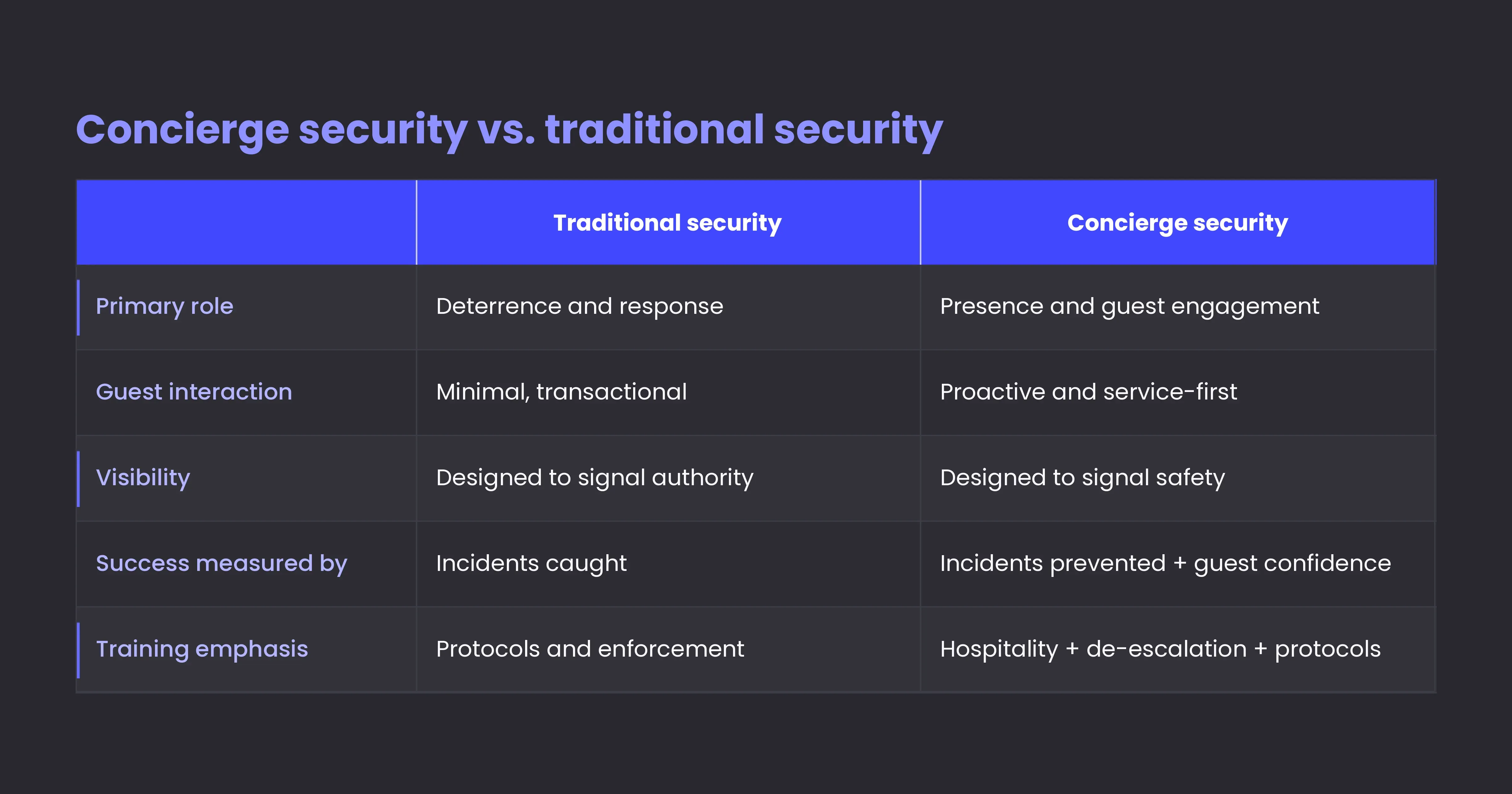
In a traditional model, guards are deployed for deterrence and positioned for response. Guest interaction happens when it has to. In the concierge security model, guest interaction is the job. Officers are present, visible, and approachable because that presence is itself a form of prevention.
These models aren't mutually exclusive. A concierge security officer responds to incidents the same way a traditional guard does. The difference is what they're doing when no incidents are occurring.
What does a concierge security officer do?
There's a significant gap between how security officers are described and what they actually spend most of their time doing. On a typical shift at a large retail property or airport, interactions look more like this:
Give directions and helping guests navigate
Guests looking for the food court, a specific store, the nearest restroom, or where they parked ask security before they ask anyone else. In properties without a formal information desk — which covers most mid-size retail and commercial venues — the security officer is the de facto concierge.
Reunite lost children, helping visitors locate missing phones or personal property
These interactions are frequent and high-stakes for the guest. How they're handled shapes how that person remembers the property.
Welfare checks and de-escalation
Noticing a guest who looks unwell, defusing a tense situation before it becomes a confrontation. Concierge security officers are trained to read and respond to these moments before they escalate, not just react after.
Be visible, unhurried, and available
Walking the floor, making eye contact, being easy to approach. This kind of presence deters opportunistic incidents in a way cameras can't replicate.
Incident response
When something happens like a theft, a medical emergency, or a physical confrontation, the concierge security officer responds exactly as a traditional guard would.
The concierge model doesn't soften response capability. Officers are still trained in emergency protocols, first aid, and incident reporting.
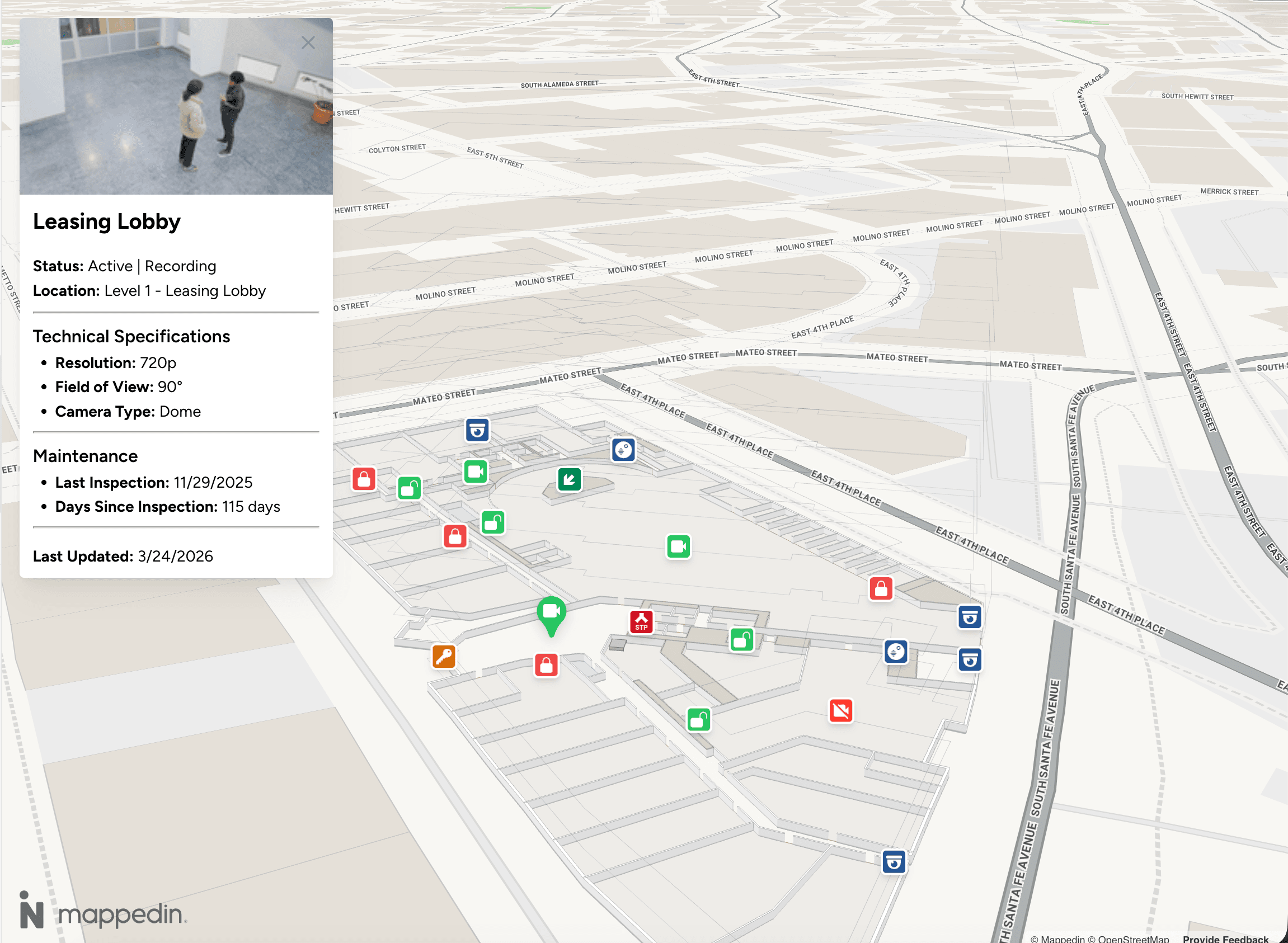
That last point carries more weight than it might seem. A concierge security officer who's been actively present throughout a shift already knows the property in a way that a guard watching monitors doesn't.
They know which corridor leads to the loading dock, where the nearest AED is, and the fastest route from the south wing to the parking structure. That spatial knowledge makes them a better first responder.
Why the concierge security model drives better business outcomes
Security programs are typically evaluated on incident metrics: apprehensions made, shrinkage rates, response times. Those matter. But they capture only the defensive side of what a security team does for a property.
The concierge model creates measurable value on the other side of the ledger too.
Guest confidence is a return-visit driver
Guests who feel safe in a retail or venue environment stay longer, spend more, and come back more often. The inverse is equally true. Properties where incidents are visible — or where guests feel surveilled and monitored — see direct impacts on foot traffic and dwell time.
Security staff are brand ambassadors (whether you train them that way or not)
In most retail and venue environments, security officers have more direct contact with guests than any other staff category, more than floor associates, more than food and beverage staff, and more than management. The way they show up shapes how guests perceive the brand.
A property that trains its officers in hospitality sends a signal about the kind of place it wants to be. That's not a soft argument. It's a positioning decision.
Proactive presence reduces incident frequency
The strongest ROI argument for concierge security isn't measured in incidents caught. It's in incidents that never happen.
Organized retail crime groups read properties. A well-staffed, visibly engaged security team changes the risk calculation for people making opportunistic or premeditated theft decisions. That deterrence effect is real, and it compounds over time. Consistent concierge presence signals that this property pays attention.
The NRF reported an 18% year-over-year increase in shoplifting incidents in 2024. Not every property sees that increase at the same rate. The ones that don't often have security programs that treat prevention rather than response as the primary job.


Download A Physical Security Leader's Guide to Indoor Intelligence
Your VMS, PSIM, and patrol platforms all work. But none of them can tell an operator which floor, which corridor, or which camera is actually covering an incident right now. This guide gives Security teams a concrete framework for evaluating the spatial layer your stack is missing.
Where concierge security works
The concierge model isn't specific to one type of venue. Any property where guests move through shared space and regularly need help, information, or reassurance benefits from the approach.
Retail malls and shopping centers
This is the highest-interaction environment in the model. Guards field constant wayfinding requests, assist with lost children, coordinate with retailers on shoplifting incidents, and maintain the open, welcoming atmosphere that drives foot traffic.
Large portfolio operators have invested significantly in integrating concierge security into their property experience strategies because the correlation between guest confidence and per-visit spend is measurable.
Airports and transit hubs
Passenger flow, wayfinding demand, and the stress of travel create constant touchpoints between security officers and the public. Airports that have adopted a concierge security model see officers functioning as genuine navigation resources — directing passengers to gates, assisting with accessibility needs, and managing queue build-up before it becomes a crowd control problem.
Commercial properties and corporate campuses
Lobby presence, visitor management, and building access all create natural concierge interaction moments. In office environments, the security desk is often the first and last impression a visitor takes from a building. That's a brand moment, yet most properties treat it as an administrative one.
Sports, entertainment and hospitality venues
On event day, concierge security officers are frequently the first staff members fans encounter at entry gates and in common areas. The quality of that interaction sets the tone for the entire experience that follows.
Implementing a concierge security model
Shifting to a concierge security model doesn't require rebuilding a security program from scratch. It requires three things done consistently.
Training that layers hospitality onto the existing foundation
Concierge security officers are still trained in incident response, emergency protocols, and enforcement procedures. What's added is de-escalation training, customer service orientation, and an explicit expectation that proactive guest engagement is part of the job.
The sequence matters: response capability stays intact; hospitality is what gets added on top.
Evaluation frameworks that recognize the full scope of the role
The concierge model only works if leadership reinforces it consistently through how performance is measured. If officers are evaluated purely on incident metrics, they'll optimize for incident metrics.
Evaluation frameworks need to include guest interaction volume, de-escalation outcomes, and proactive engagement as measurable KPIs alongside traditional security data.
Tools that support the concierge function
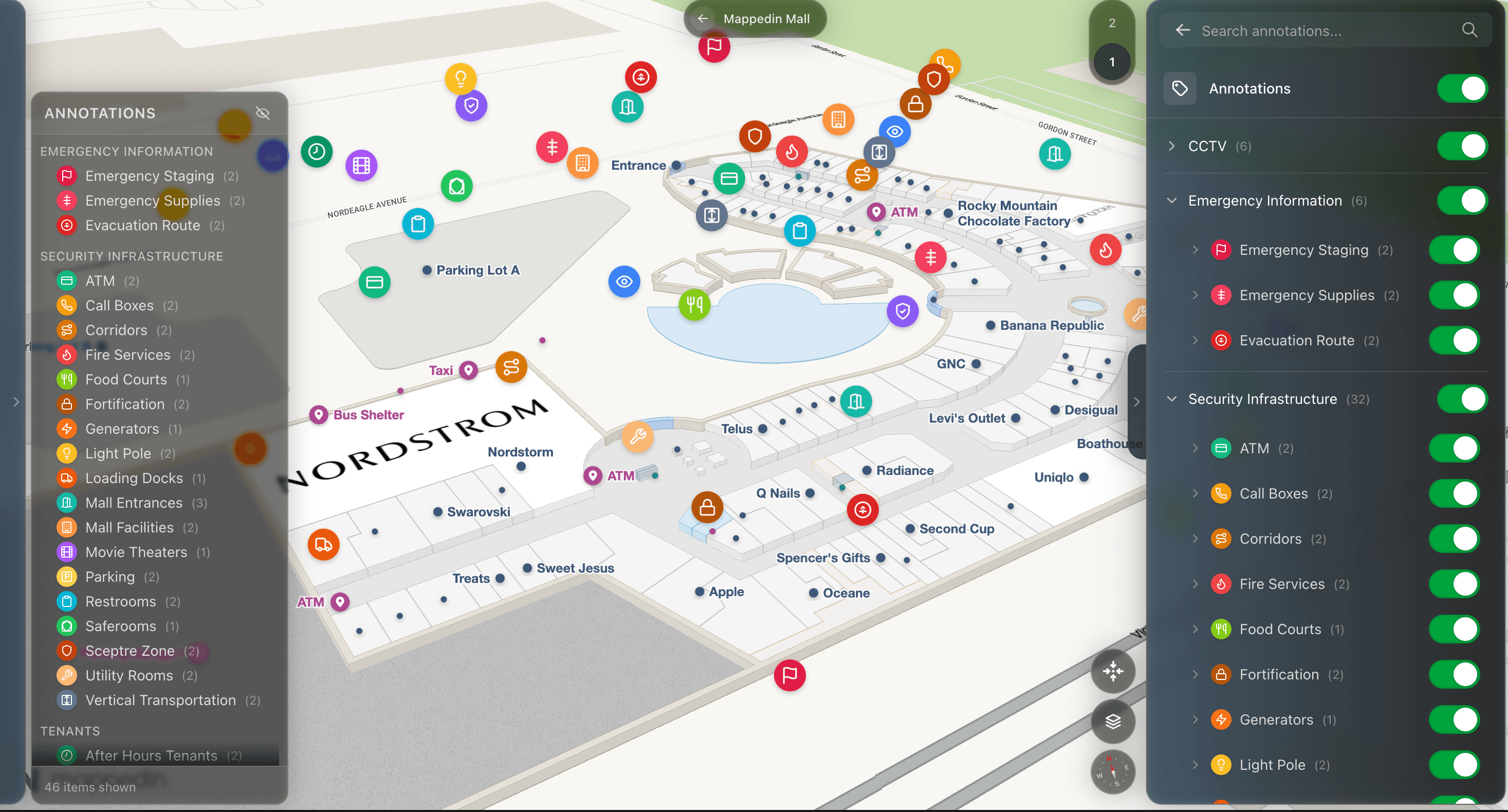
A concierge security officer working a large mall, airport terminal, or multi-building campus needs accurate, accessible information about the property. It's the same information guests are asking for, plus the operational layer underneath:
- Where AEDs are located
- Which exits are active
- Where their nearest colleague is positioned
Static paper floor plans and outdated maps don't meet that bar. Officers working from incomplete or inaccurate spatial information can't respond to a guest's wayfinding question with confidence, and they can't respond to an incident with the same efficiency as someone who knows the property in detail.


The case for leading with hospitality
Security that makes people feel safe and security that makes people feel welcome are not opposing goals. The concierge model shows they're the same goal, approached from a different starting point.
For Chief Security Officers managing retail properties, commercial developments, airports, or entertainment venues, the concierge approach offers something the traditional model can't deliver: a direct, measurable connection between how your security team shows up every day and how guests experience your property and whether they return.
The best concierge security programs don't sacrifice response capability. They build the operational and cultural conditions where fewer responses are needed in the first place.
Interested in seeing how indoor maps support concierge security operations across your property? Book a personalized demo →
Share