Most underperforming malls don't have a traffic problem. They have a strategy problem, and it's bigger than the mall's architecture.
Phil McArthur has spent more than 40 years walking into struggling retail centers across Canada, Dubai, Cairo, New Delhi, and beyond, and he almost always finds the same root causes. As the founder of Phil McArthur & Partners and a former senior executive with Majid Al Futtaim, where he worked on the development of Mall of the Emirates, Phil is one of the most experienced mall diagnosticians in the world.
In this episode of Mall Talkers, I sat down with Phil to unpack what 40 years in the industry actually teaches you about retail strategy, guest experience, and how to fix a center that isn't performing.
The hardware vs. software problem
The single most common mistake Phil sees in struggling retail centers starts before construction is complete.
— Phil McArthur, Founder and Chairman, Phil McArther & Partners Retail Development Specialists
Developers who think about land, building, and renting are solving the wrong problem. A retail center is only as strong as the tenant decisions, leasing strategy, and guest experience layered on top of the physical asset. And for a brand, the decision to enter a mall is a high-stakes strategic commitment.
Developers who don't understand that dynamic are already starting from behind.
How to diagnose an underperforming retail center
When Phil's team gets called into a struggling center, their approach is forensic: identify the symptoms first, then trace them back to root causes.
The assessment is hands-on. Phil's team:
- Walks and photographs the common areas
- Evaluates cleanliness and staff attentiveness
- Checks whether security guards know the tenant mix
- Tests whether the arrival experience is intuitive
Then comes the financial layer:
- Annual traffic
- Conversion rates
- Sales volume
- What percentage of that volume is translating into income
The framing Phil keeps coming back to is blunt: rent is earned, not prescribed. A competing mall charging higher rents isn't setting the market rate. It earned those rents by bringing more customers and generating more conversions. Closing the gap means understanding why, not just benchmarking the number.
Guest experience starts with circulation
Interestingly, one of the most underestimated drivers of retail performance isn't the tenant mix. It's how people move through the building.
The dumbbell mall layout, long the industry default, has a fundamental flaw: shoppers walk to one end and pass the same storefronts on the way back. No new discovery, no incremental spend, no reason to linger.
Phil is direct about where he stands:
Getting people past as many shop fronts as possible per visit is a design principle with direct revenue implications.
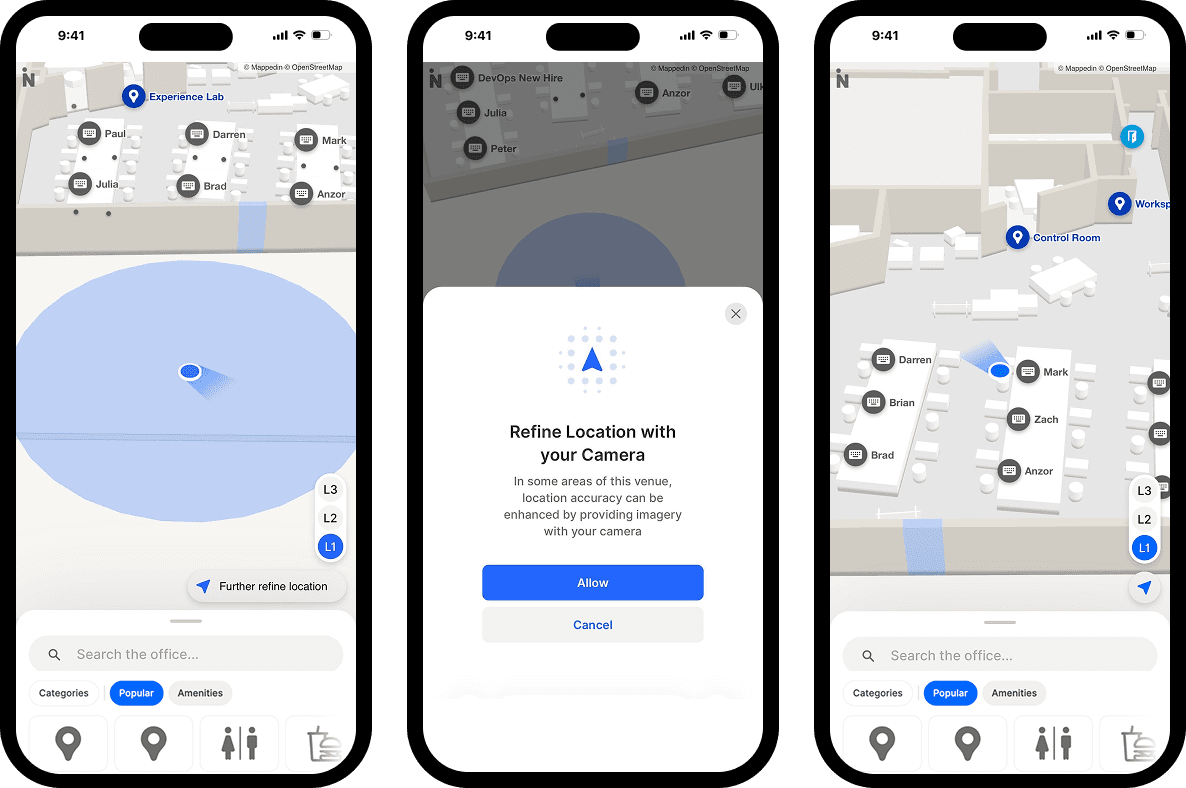
The same logic extends to wayfinding. Phil doesn't mince words here either.
For Phil, mobile wayfinding is now a baseline expectation. A mall that makes it hard to navigate is a mall that loses dwell time, repeat visits, and the trust of shoppers who've come to expect frictionless digital experiences everywhere else.
Localizing a global retail strategy
Phil has worked across enough markets to know that every new client insists their venue is different. And every time, he pushes back.
That doesn't mean local context doesn't matter; it does, significantly. Phil's team works hard to find the right balance between internationally recognized brands (which provide credibility and comfort) and strong local operators (which give a center its sense of belonging).
He asks this question as a test: Does this mall feel like it came from this market, or does it feel like it landed from outer space?
Getting that balance right is what separates a center that shoppers adopt as their own from one they use out of convenience.
Looking to the future of retail strategy
Phil started his career updating physical directories by hand — pulling out plexiglass letter sets, swapping in new store names, checking accuracy daily. The contrast with what's available today isn't lost on him.
Pointing to mobile data, analytics, and mapping technology that can give operators real-time insight into how customers navigate, search, and spend, Phil says:
The fundamentals of retail strategy haven't changed: location, access, tenant mix, guest experience, and financial discipline still determine whether a center performs. But the tools available to execute on those fundamentals (and to catch problems early) are transforming what's possible for operators willing to use them.


How smart malls turn foot traffic into sales
Malls aren't dead. But the strategies behind driving mall revenue? They're critically out of date. This guide makes the case for the one tool most operators have systematically underestimated, and shows exactly how to use it to drive revenue at every stage of the visit.
Share