

Most conversations about commercial real estate technology start with cost reduction. That framing is understandable, but it misses the bigger pressure building in the market.
Occupancy rates in many office and mixed-use markets have stabilized, but tenants are actively comparing buildings the way they once compared hotels. They have specific expectations around sustainability credentials, digital infrastructure, and the day-to-day experience of occupying a space.
The operators who win the next tenant renewal are the ones whose buildings are easier to work in, easier to report on, and easier to justify to a CFO or ESG committee. Technology is becoming a structural differentiator for CRE firms — the difference between a building that attracts enterprise tenants and one that doesn't.
Why CRE technology decisions feel harder than they used to
The technology landscape for commercial real estate has expanded faster than most operators' capacity to evaluate it. There are platforms for everything:
- visitor management
- occupancy sensing
- energy monitoring
- wayfinding
- tenant communications
- predictive maintenance
Choosing the wrong tool creates technical debt that makes future integration harder and leaves tenants navigating a patchwork of apps with no coherent experience. The real risk is in adopting technology that doesn't compound: A wayfinding tool that can't share occupancy data with your FM platform, or a sustainability dashboard that can't pull from your sensor network.
The trends to watch in 2027 are the ones designed to connect, not sit alongside each other.
How to read this list
These aren't predictions. Every trend here is already visible in live deployments across office towers, mixed-use developments, airports, and retail centers. The criteria for inclusion were consistent: does it meaningfully improve the tenant or visitor experience, does it produce a clear ROI path for operators, and is it integrable with the systems most CRE teams already have in place.
The list runs from front-of-house tenant experience to back-of-house operations, and the final section offers a practical filter for evaluating any of them.
1. Interactive wayfinding maps replace static directories
Printed directories and static touchscreen kiosks were designed for buildings as they were leased when they were installed. They don't reflect tenant moves, floor reconfigurations, or the kind of multi-floor navigation complexity that's routine in a Class A office tower or mixed-use development.
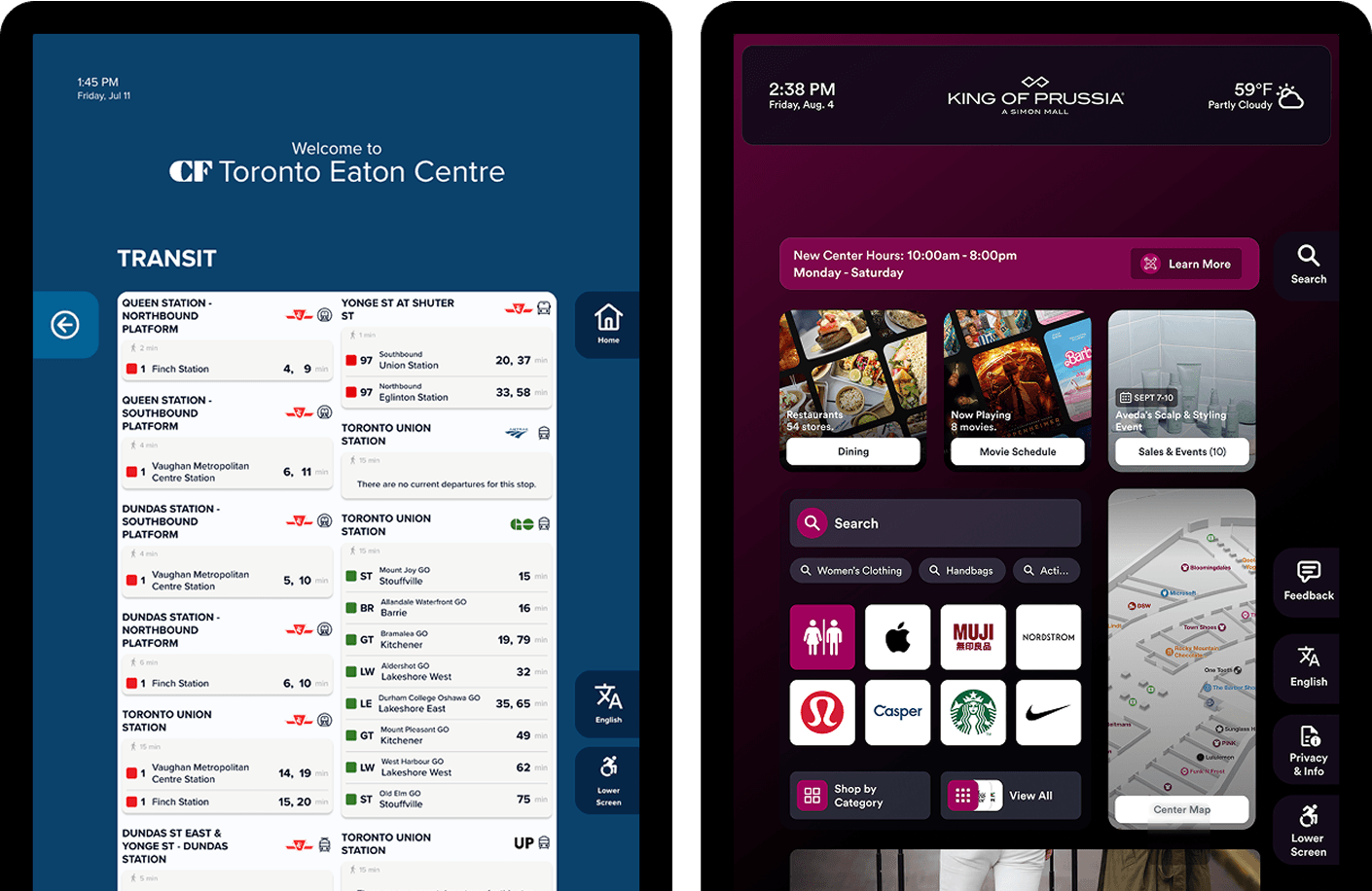
Interactive wayfinding, embedded directly into tenant apps and web portals, solves the problems static signage can't. Visitors who need to reach a specific suite on a specific floor, find a loading dock for a delivery, or locate a building amenity get step-by-step navigation on a device they already have in their hand. The building's map stays current because it's managed digitally from a single source of truth.
The measurable outcomes are visible across venues that have deployed embedded wayfinding at scale. When tenants and their visitors can navigate confidently, the building feels better managed, not just better signed.


2. AR-enhanced virtual tours change how space gets leased
Leasing unbuilt or unoccupied space has always required prospective tenants to work hard at imagining what they're agreeing to. Augmented reality tours reduce that friction by letting prospects walk a digital version of a space, visualize fit-out options, and understand adjacencies, without requiring a physical visit or waiting for construction milestones.
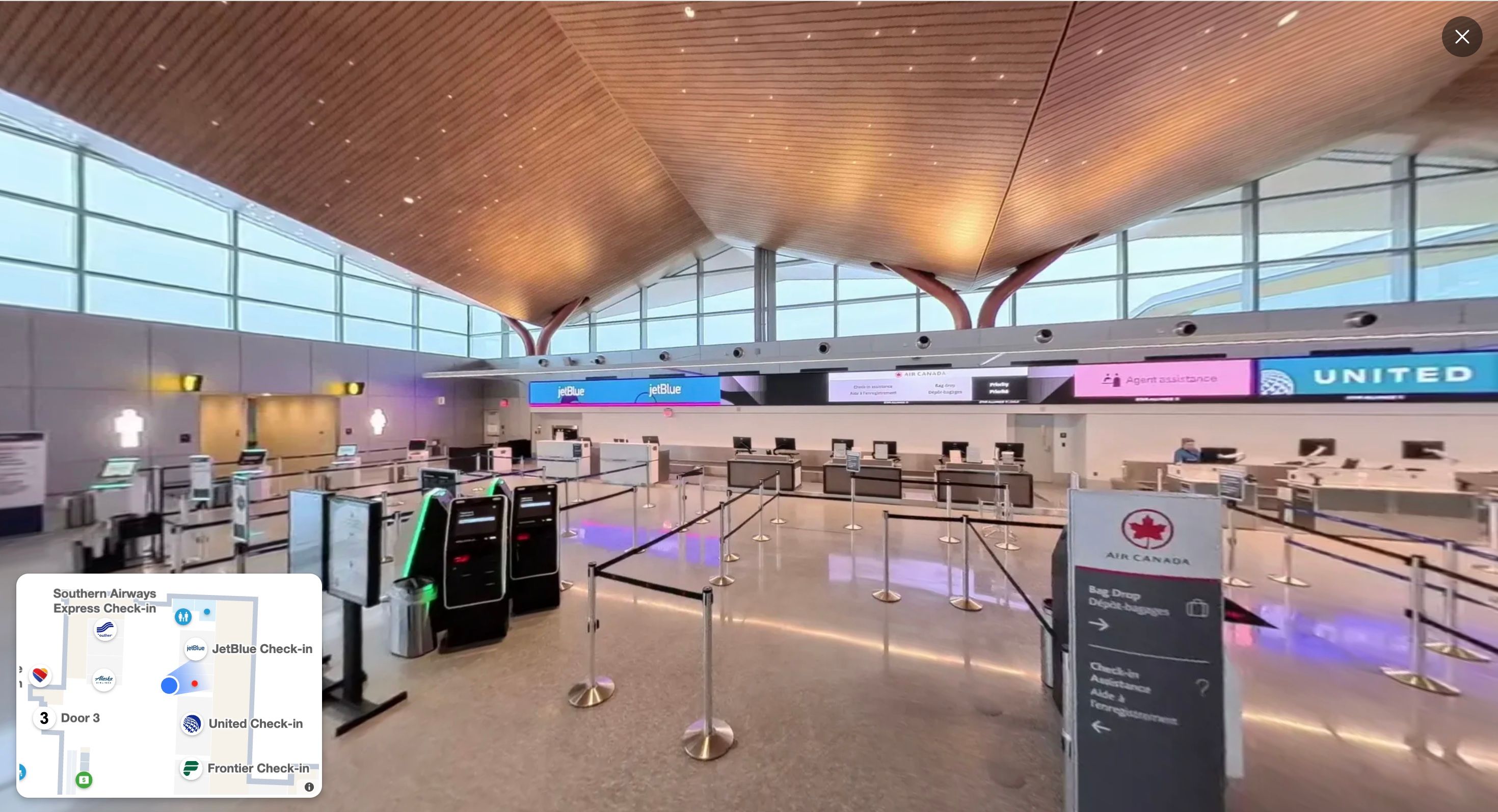
Commercial brokers are adopting AR tours to compress deal cycles. The qualification step, which once required coordinating site visits across multiple stakeholders in multiple cities, can happen asynchronously. Purpose-built CRE tools differ from consumer-grade AR apps in a few important ways: they integrate with floor plan data, support custom branding, and are accurate enough for decision-making rather than just marketing.
The opportunity in 2027 is AR to maintain a live, accurate digital representation of a building that can serve multiple functions: leasing, tenant onboarding, facilities management, and emergency response planning.
3. Connected building systems move from siloed to integrated
Ask most facilities managers how their HVAC, access control, lighting, and occupancy sensors communicate with each other. The honest answer is usually that they don't, or they do through manual data exports between systems that weren't designed to interoperate.
The shift toward unified building operating platforms is changing that. When occupancy sensor data feeds directly into climate control logic, a floor that's empty by 6pm stops being heated and cooled to full capacity until midnight. When access control data informs lighting schedules, energy consumption becomes responsive rather than scheduled.
These are the outputs of integration that most CRE operators already have the hardware to support, but haven't yet connected. The industry has been slower to adapt but are actively working on the shift:
FM teams that consolidate onto unified platforms also gain something operationally significant: a single view of building performance that doesn't require pulling reports from four different vendor dashboards.
4. IoT sensors make occupancy data actionable
The range of IoT applications in commercial real estate has expanded well beyond people counters at lobby entrances. Desk sensors, room occupancy detectors, air quality monitors, and foot traffic heatmaps are all generating data in buildings that have made the investment. For most operators, the gap is doing something useful with the data.
What closes that gap operationally is connecting sensor outputs to decisions:
- which floors to condition
- which amenities are underutilized
- which tenant is consistently using more space than their lease allocation
- which spaces could be right-sized in the next lease cycle
Occupancy intelligence becomes commercially valuable when it informs lease strategy and space planning, not just FM scheduling.
Tenants are starting to understand this too. Enterprise occupiers increasingly want access to their own occupancy data to support their internal space optimization programs. Buildings that provide it as a standard part of the tenant experience have a concrete differentiator in lease negotiations.
5. ESG reporting tools move from compliance checkbox to competitive asset
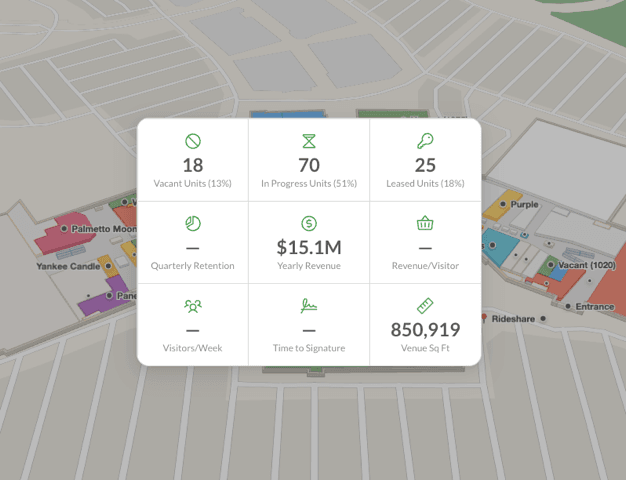
ESG disclosure requirements have moved from voluntary to mandatory across enough markets that the compliance framing is now largely beside the point. The more interesting dynamic is competitive: enterprise tenants — particularly those with their own Scope 3 emissions commitments — are making location decisions based on verifiable building performance data.
A building that can produce an automated, auditable energy and carbon report on a quarterly basis is easier for a sustainability-committed tenant to justify than one that requires a manual data request to facilities. Energy monitoring platforms, carbon tracking tools, and automated disclosure infrastructure are moving from the compliance team's budget to the leasing team's value proposition.
The operators adopting ESG tech as infrastructure rather than a reporting exercise are building something a competitor can't replicate quickly: a documented, credible performance record that compounds with each additional year of data.
6. Tenant experience platforms consolidate the app landscape
The fragmentation problem in tenant-facing technology is real and getting harder to ignore. A tenant in a typical Class A building might interact with a separate app for visitor management, a different one for amenity booking, a third for maintenance requests, and a static website for the building directory. That's friction for tenants and a data silo problem for operators.
The consolidation trend in 2027 is toward platforms that unify those functions, wayfinding, communications, visitor management, and amenity booking, under a single tenant-facing experience backed by a shared data layer. When those systems share data, operators gain something they can't get from single-purpose tools: a coherent view of how tenants actually use the building.
That view informs amenity investment decisions, leasing conversations, and operational scheduling in ways that siloed tools simply can't support.


7. Predictive maintenance reduces unplanned downtime
Scheduled maintenance is a compromise. Equipment gets serviced whether it needs it or not, while genuine early-warning signals go undetected between service intervals. The operational cost of unplanned equipment failure in commercial assets is significant. Emergency service premiums typically run 25-30% above contracted rates, and tenant disruption from an HVAC or elevator outage creates churn risk that doesn't appear in a maintenance budget.
Predictive maintenance uses sensor data and machine learning to shift the model from scheduled to condition-based. Early-stage implementations typically start with a single system, chillers or elevators, and focus on anomaly detection. A mature implementation integrates across building systems, automatically generates work orders, and feeds failure history back into the model to improve prediction accuracy over time.
The ROI case is straightforward for any operator. The barrier to entry is lower than it was three years ago, with several platforms now offering pre-built integrations with common BMS and CMMS systems.
What separates the trends that stick from the ones that don't
Not every technology that appears in a vendor roadmap or conference keynote survives contact with a real building. The practical filter for CRE operators evaluating any technology investment comes down to three questions:
- How complex is the implementation relative to the FM team's actual capacity to support it?
- Does it integrate with the systems already running in the building, or does it require a parallel stack?
- Is there a clear, measurable outcome within 12 months that doesn't depend on every other system working perfectly?
Technology adopted for novelty almost always underperforms. Technology adopted because it solves a specific tenant friction or operational gap, and connects to adjacent systems, compounds over time.
The operators pulling ahead in 2027
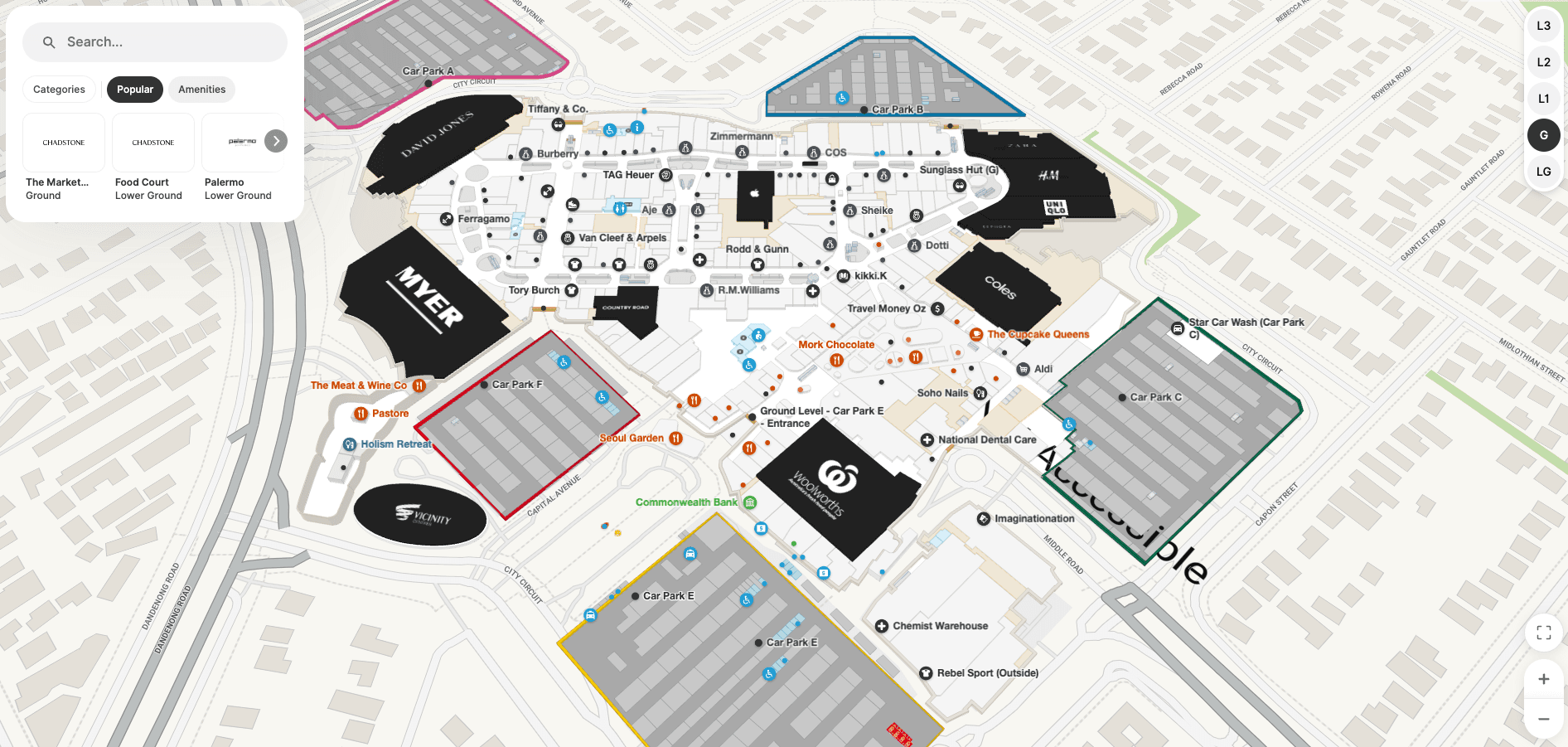
The CRE operators gaining ground aren't necessarily deploying more technology than their competitors. They're deploying technology that works together.
Wayfinding that feeds occupancy data to the FM platform. Occupancy data that informs ESG reporting. ESG reporting that supports the leasing conversation with an enterprise tenant evaluating three shortlisted buildings.
That compounding effect is what separates buildings that feel well-managed from buildings that technically have good systems. The infrastructure question isn't which trends to adopt. It's which combination of technologies produces outcomes that reinforce each other.


Share