

A fan buys a ticket, arrives after kickoff, misses the first quarter, wanders a concourse, and still leaves without the venue knowing whether she found her seat, used the app, or came back after halftime.
That experience is a systems problem because the club has let ticketing, venue wayfinding, messaging, and loyalty operate in silos instead of as one fan journey.
The language around digital fan engagement often drastically underplays its purpose. In practice, it sits inside the same operating model as ticketing, CRM, sponsorship reporting, venue navigation, and post-event retention. The difference matters because every gap between those systems turns into friction, and friction shows up later as missed upsells, weaker renewals, and service calls that cost time the venue doesn't get back.
Why stadium operators should care about digital fan engagement
A late-arriving fan is a simple test case. She opens the venue app, but the app doesn't know where her seat is, whether she opted into messages, or whether she's already in the building. She gets a ticket confirmation, but no live route, accessible path prompt, or useful post-entry nudge when the concourse is crowded. By the time she finds her section, the moment for a food offer, a sponsor impression, or a loyalty prompt has already passed.
That kind of miss used to be filed under “fan experience.” But today, it's more accurate to call it revenue leakage. If the venue can't connect arrival, movement, consumption, and follow-up, then it can't tell which touchpoints led to spend or return visits.
The owner of "fan engagement" has changed
The old model treated fan engagement as broadcast. The operator pushed content, the fan consumed it, and the job was done. The current model has to connect attendance, identity, and behavior across the full visit, because the venue can't manage what it can't recognize. That is the same reason a CRM is useful in any other business, it makes the journey visible enough to act on.
A useful way to think about it:
If the ticketing system knows the purchase, the app knows the session, the venue map knows the path, and the loyalty stack knows the return visit, then the organization has a chance to build a real fan profile. If those systems stay separate, the venue gets fragments instead of a working record.
The stakes are already obvious in market priorities.
In the same report, the top goal of stadiums was revenue generation (24%) followed by growing website traffic (23%). That survey also put social media (37%) ahead of OTT streaming platforms (18%), mobile apps (13%), and websites (11%), which says the industry already understands the channel mix, even if the operational stack behind it is still uneven.
That distinction is why venues should treat digital fan engagement as part of operations, not a side project for the social team. The next questions are definitional, financial, and then practical, because the category only gets useful when the stack, the channels, and the metrics line up.
What is digital fan engagement?
Digital fan engagement is the designed system that connects a fan's identity, transaction history, content consumption, loyalty behavior, and physical presence into one usable record. It's broader than social posting and narrower than “the whole fan experience,” because it focuses on the digital mechanisms that make the experience measurable and repeatable. A venue can't improve what it can't segment, and it can't segment what it hasn't joined together.

From one-sided content to a usable fan record
The older version of the category was broadcasting. Teams posted highlights, sent newsletters, and hoped attention turned into attendance. That still has a place, but it's only the outer layer now.
The more useful model starts with identity, then adds what the fan bought, what the fan watched, what the fan opted into, and how the fan moved through the venue. This model can be considered a 360-degree fan view, where identity, transaction, consumption, loyalty, gamification, reachability, and campaign-response data sit together in one profile. This structure makes segmentation more precise, because the venue can separate first-time visitors from repeat buyers, or high-intent buyers from low-intent browsers, instead of guessing from a single channel signal.
The business logic is visible in consumer behavior too.
Those numbers matter because they show what fans now expect from digital experiences, control, relevance, and personalization. They're not waiting for a venue to broadcast more content. Instead, they want the system to recognize them and respond in context.
Fan engagement definitions
Let's break down related terms that often get blended together.
- CRM stores customer data and supports outreach, but it doesn't by itself describe how a fan moves through the venue.
- Fan experience is broader, it includes staffing, safety, food, acoustics, signage, and accessibility.
- Sponsorship activation is one use of fan engagement data (not the category itself).
- Digital fan engagement is the connective tissue. It makes the touchpoints measurable enough to improve.
That's also where operational tools become relevant. AI-first customer support strategies can reduce service friction in the same way fan engagement systems reduce experience friction, especially when questions repeat across ticketing, access, and venue navigation.
The business case for digital fan engagement: Revenue, retention & risk
Executives won't buy into simply "engagement." Instead, they buy clearer pathways to revenue, better renewal behavior, and lower operating friction. The better question isn't whether a campaign got attention, it's whether the venue captured more value from each visit and reduced the number of visits that turned into complaints.
1. Revenue per fan
The first line item is incremental revenue per fan. That includes:
- upsells
- in-seat orders
- merchandise prompts
- content subscriptions
- sponsor offers
If the venue can't connect the offer to identity and timing, the revenue story becomes guesswork.
A unified fan profile is what turns that into something measurable. When identity, transaction, consumption, loyalty, gamification, reachability, and campaign-response data sit together, the operator can see which segments buy and which ones only click. That's the difference between broad reach and commercial lift.


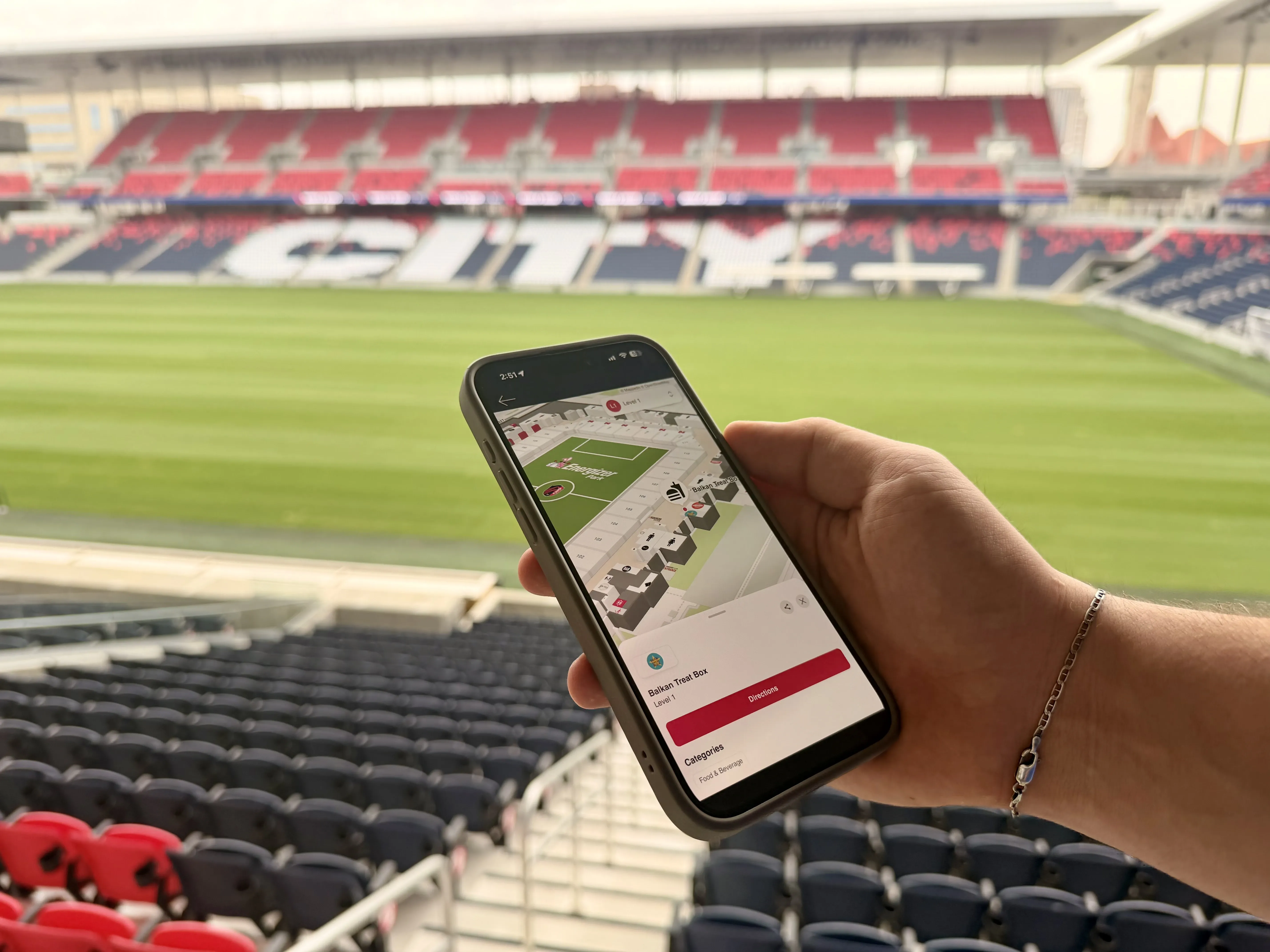
St. Louis CITY SC drove up to 150% higher food partner sales with their interactive map
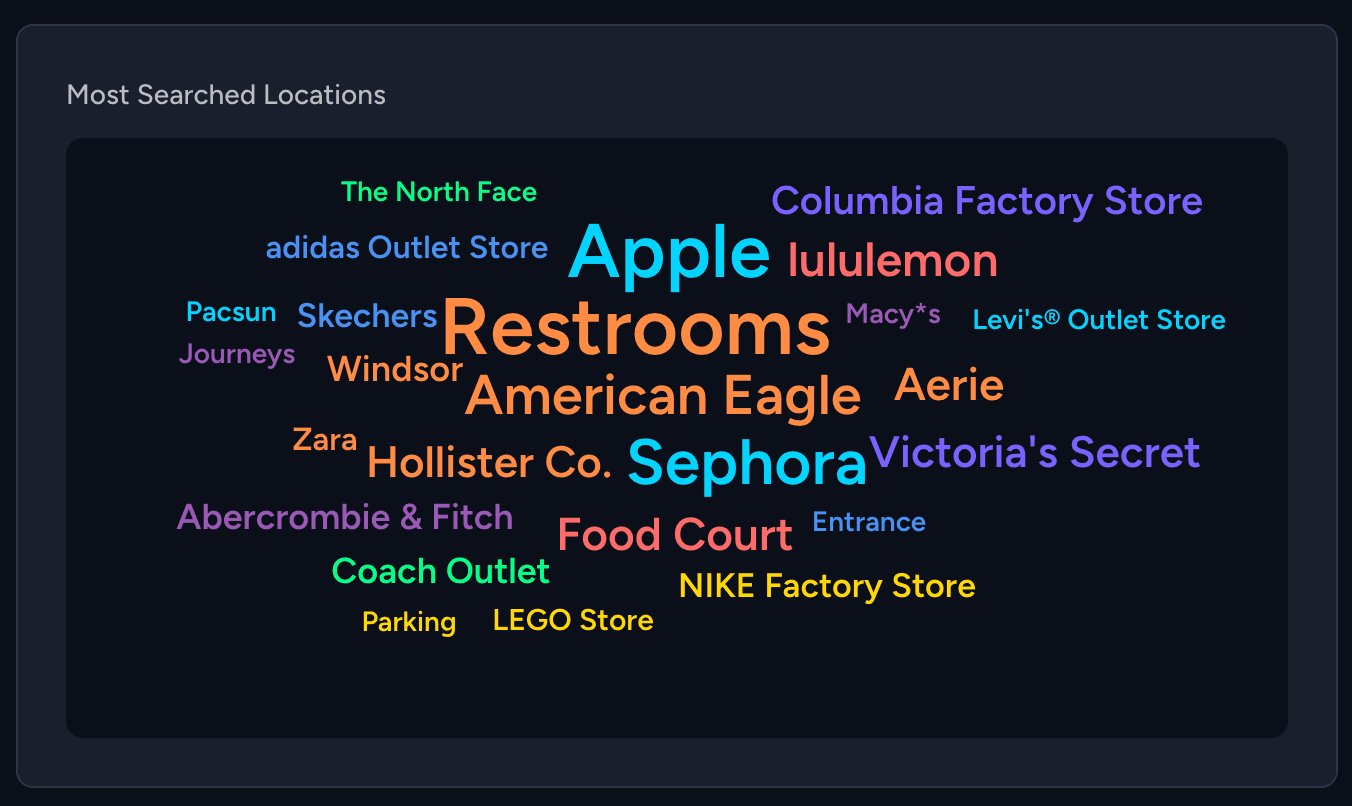
St. Louis CITY SC needed a digital solution that could adapt quickly to layout changes, make discovery intuitive, serve as a reliable spatial reference for both fans and staff, and capture what fans are actively searching for in real time. The team integrated Mappedin’s interactive mapping platform directly into the official CITY App, creating a searchable and continuously updated digital stadium guide.
2. Fan retention
Repeat purchase matters more than one-off attention because venues make money from people who come back. A no-show season-ticket holder, a lapsed member, or a buyer who never opens post-event messages all signal a retention problem. If the venue can't identify those behaviors early, it can't target the next touchpoint well enough to change them.
Deloitte's finding that fans spend more on streaming than non-fans is useful here because it points to ongoing willingness to pay, not just event-day spending. The lesson for operators is straightforward, fans who already behave like habitual subscribers are good candidates for lifecycle messaging, membership prompts, and controlled personalization.
3. Risk reduction
The third pillar is operational risk reduction. Bad wayfinding, poor accessibility guidance, and unclear service recovery all create queues, complaints, and staff escalations. Those costs rarely show up as a neat revenue line, but they absolutely affect labor load and service quality.
A fourth benefit sits behind the scenes, sponsor value defensibility. Sponsors pay more comfortably when the venue can show that an offer reached the right segment and led to a specific action. Without that proof, sponsor reporting stays vague.
A venue that wants to manage this properly needs a source of truth that combines the fan profile with campaign response, not a stack of disconnected dashboards. That's why the Mappedin discussion of location-based marketing for stadiums belongs in the operating conversation, not just the media plan. It ties physical context to digital action, which is where the risk and the revenue both live.
Channels that drive measurable fan engagement results
The channel mix matters, but only if each channel does a different job. Social reaches people. No single channel can do all of that well:
- Apps capture identity and transactions
- Owned web pages handle search and reference
- OTT holds attention over time
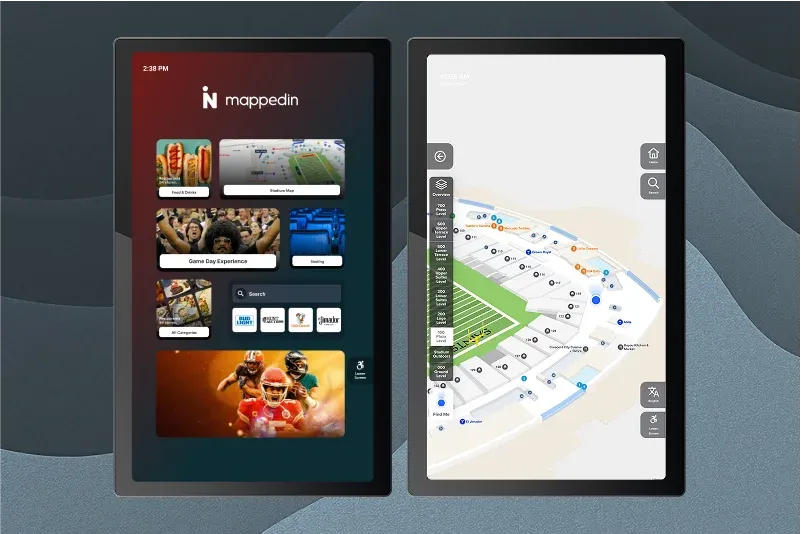
- On-site screens and indoor wayfinding tools turn arrival into a usable journey
Channel breakdown
Mobile apps tend to matter when the venue wants repeat use and direct data. They can carry ticketing, saved sections, loyalty, and in-venue prompts, but they only work if fans keep the app installed and if the venue gives them a reason to return. OTT, on the other hand, is stronger when the goal is long-form content consumption and session time, especially for fans who may never visit in person.
Owned web is less glamorous, but it is still where many fans search, plan, and confirm details. That makes it useful for pre-event information, schedule lookups, and evergreen venue content. On-site screens and digital directories matter once the fan has crossed the threshold, because they can reduce orientation friction faster than a push notification can.
Measure what matters
Impressions are easy to count but hard to act on. A venue can post strong reach numbers all season and still learn almost nothing about whether fans came back, finished a video, bought anything, or shared the experience with someone else. The metric stack has to move from exposure to behavior if operators want a dashboard that supports decisions.
Four metric groups that hold up
WSC Sports argues that the most actionable metrics are:
- Repeat engagement rate
- Content completion/watch time
- Owned-conversion rate
- Sharing/advocacy signals
These groups work because they show depth, not just reach. A fan who keeps returning tells a different story from a fan who only saw one post. The same logic applies to stadium fan experience metrics in the reporting layer, where the point is to connect behavior across channels instead of counting isolated interactions.
Verification over time matters just as much as the initial response. Day-7, day-30, and season-long return tracking tell the operator whether a tactic built a habit or only created a spike. If the numbers fall off after the first campaign, the venue did not create lasting loyalty — it just bought a moment.
On-site engagement inside the stadium
The venue is where digital engagement stops being abstract. A fan who's already inside needs to find a section, understand an accessible route, get a live update, and move between digital and physical touchpoints without asking staff for basic directions. If the venue can't support that path, the engagement stack fails at the exact point where it should be most useful.
Practical layers
Indoor wayfinding is the clearest example. Step-by-step directions matter in stadiums because the fan is not navigating a straight-line, low-stakes environment. The venue may also need accessible routes, not just the fastest route, because mobility needs change how a person moves through a complex building.
Real-time updates matter too. A gate issue, a crowding problem, or a service change only stays manageable if the fan gets the right prompt fast enough to act on it. That's where the on-site layer becomes part of the digital stack rather than a separate operations function.
What operators have to get right
Three constraints tend to decide whether on-site engagement works.
- Connectivity and density: if Wi-Fi and mobile coverage are weak in the exact spots where the fan needs help, the digital layer won't hold up.
- Privacy and consent: location data can be useful, but the venue has to be clear about what it collects and why.
- Map maintenance: renovations, temporary barriers, and seasonal layouts can make an accurate map stale quickly if nobody owns updates.
Those constraints are why indoor mapping tools matter. The right fit is usually the one that can keep maps current and usable without creating more work for operations teams.
Getting started
The right way to approach a fan engagement program roll-out is a sequence. Identity, consent, and data hygiene come first, because nothing else is reliable until those pieces are stable. From there, the venue can layer in personalized messaging and lifecycle automations, then add in-venue fan experience tools like mapping, accessibility guidance, and in-seat ordering. The final stage is optimization, with segmentation, modeling, and sponsor reporting built on top of the same record.
A planning meeting should leave with five questions answered:
- Who owns the data?
- Which fan events are tracked?
- Where the on-site gaps are?
- How consent is managed?
- Which KPI group defines success?
If those answers stay fuzzy, the venue is still buying activity instead of building a system.
Mappedin helps venues turn floor plans into interactive indoor maps, navigation, and location-aware experiences that can sit inside the broader engagement stack. For stadium teams trying to connect wayfinding, accessibility, and live-event behavior, book a demo today to see how this can work at your venue.
Related resources:


Share